
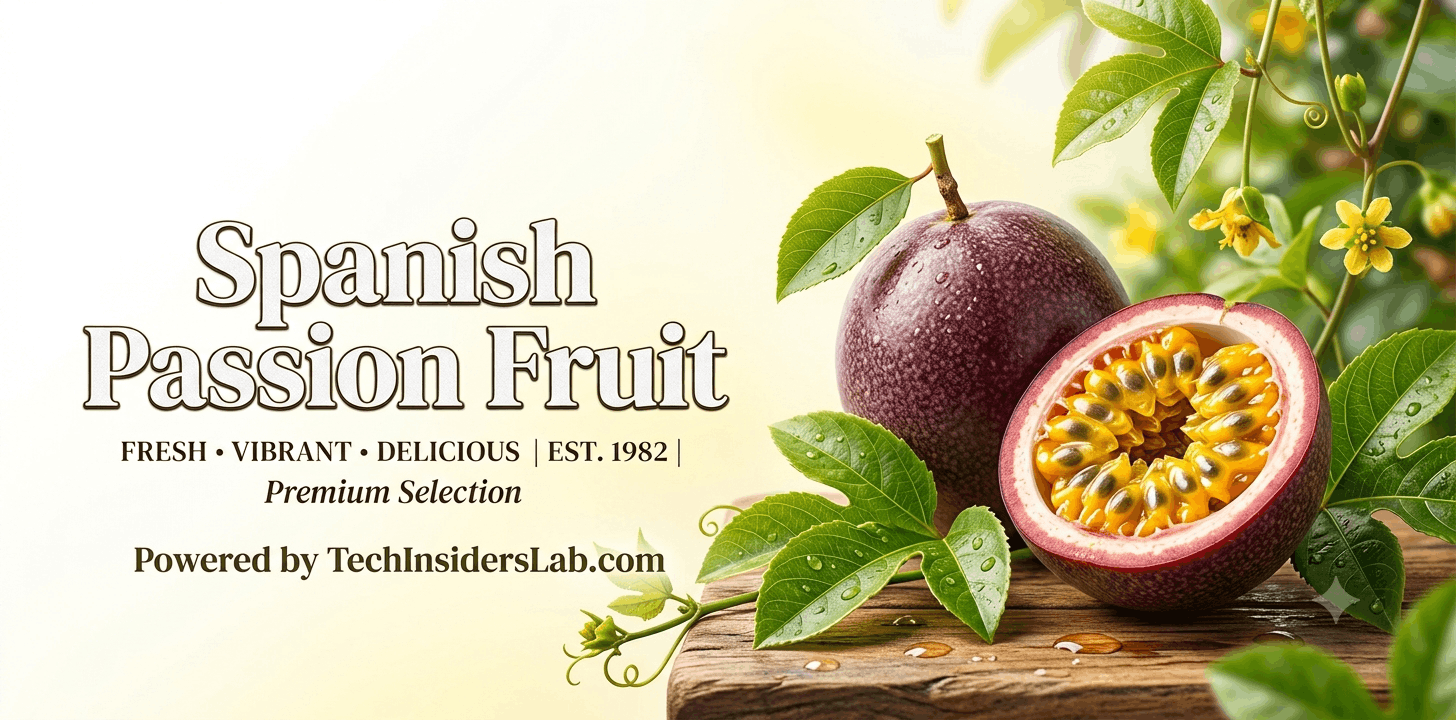
Spanish Passion Fruit: The Complete Guide to Benefits, Nutrition
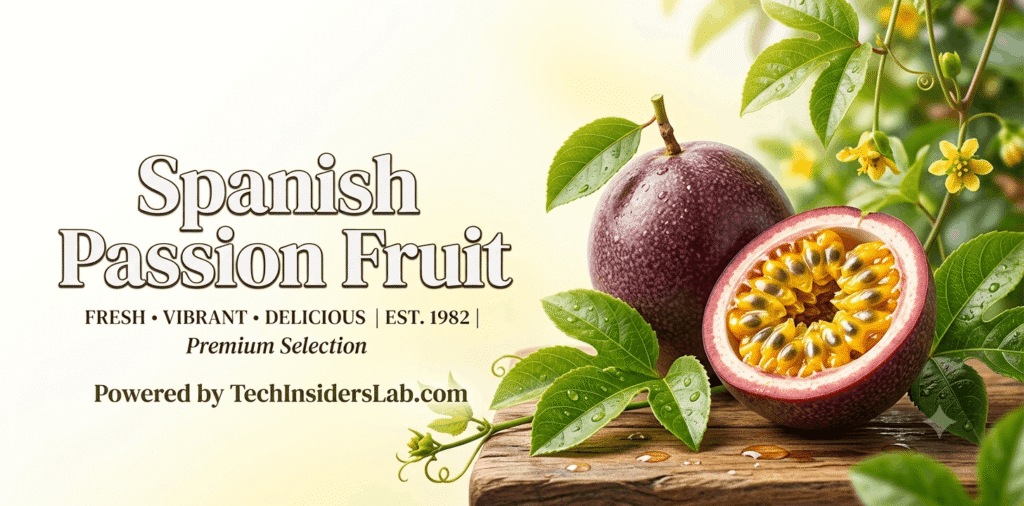
SEO Title: Spanish Passion Fruit: Benefits, Nutrition, Varieties, Uses & Growing Guide
Meta Description: Discover everything about Spanish passion fruit, including its nutrition, health benefits, varieties, taste, culinary uses, and why it thrives in Spain’s Mediterranean climate.
URL Slug:spanish-passion-fruit
Spanish Passion Fruit: The Ultimate Guide
Introduction
Spanish passion fruit is becoming one of the most popular exotic fruits grown in Spain. Known for its fragrant aroma, sweet-tart flavor, and impressive nutritional value, this tropical fruit is widely enjoyed fresh and used in juices, desserts, smoothies, and gourmet recipes.
Originally native to South America, passion fruit has adapted well to Spain’s warm Mediterranean and subtropical climates. Regions such as Andalusia, the Costa Tropical, the Canary Islands, and parts of Valencia now produce high-quality passion fruit that rivals imported varieties.
Besides its delicious taste, Spanish passion fruit is packed with fiber, vitamin C, vitamin A, antioxidants, and other essential nutrients that support overall health. Whether you’re looking to learn about its benefits, culinary uses, or how it’s grown in Spain, this guide covers everything you need to know.
What Is Spanish Passion Fruit?
Spanish passion fruit refers to passion fruit cultivated in Spain, mainly in warm regions with mild winters and plenty of sunshine. It belongs to the Passiflora genus, a family of flowering vines known for producing colorful and flavorful tropical fruits.
The two most common edible varieties grown in Spain are:
- Purple Passion Fruit (Passiflora edulis)
- Yellow Passion Fruit (Passiflora edulis f. flavicarpa)
Both varieties are valued for their juicy pulp, edible black seeds, refreshing aroma, and balanced sweet-and-tangy flavor.
Main Characteristics
- Sweet and tangy taste
- Fragrant tropical aroma
- Rich golden-orange pulp
- Crunchy edible seeds
- Excellent nutritional value
History and Origin
Although passion fruit originated in South America, it was introduced to Europe centuries ago by Spanish explorers. Over time, growers discovered that Spain’s Mediterranean climate was suitable for cultivating several passion fruit varieties.
Today, Spain has become an important producer of passion fruit in Europe. Local farmers continue improving cultivation methods, allowing the fruit to gain popularity among consumers looking for fresh, locally grown exotic produce.
Where Is Spanish Passion Fruit Grown?
The success of Spanish passion fruit depends on warm temperatures, abundant sunshine, and well-drained soil.
The main growing regions include:
- Andalusia
- Málaga
- Granada
- Costa Tropical
- Canary Islands
- Valencia
- Murcia (mainly greenhouse production)
These areas experience long growing seasons and minimal frost, creating ideal conditions for healthy vines and high-quality fruit.
Types of Spanish Passion Fruit
Although hundreds of Passiflora species exist, only a few are grown commercially for fruit production.
Purple Passion Fruit
Purple passion fruit is the most popular variety for fresh consumption.
It features:
- Deep purple skin
- Rich aroma
- Sweet-tart flavor
- Smaller fruit size
- Soft, juicy pulp
Its balanced sweetness makes it a favorite among fruit lovers.
Yellow Passion Fruit
Yellow passion fruit is larger and contains more juice than the purple variety.
Key features include:
- Bright yellow skin
- Larger fruits
- Higher juice content
- Slightly more acidic taste
- Fast-growing vines
This variety is commonly used for juices, beverages, and food processing.
Hybrid Varieties
Modern growers also cultivate hybrid passion fruit varieties that offer:
- Better disease resistance
- Improved yields
- Larger fruit
- Sweeter flavor
- Longer shelf life
These hybrids are becoming increasingly popular in commercial farming.
Taste and Flavor
One reason Spanish passion fruit is loved worldwide is its unique flavor.
It combines:
- Natural sweetness
- Refreshing acidity
- Floral aroma
- Citrus notes
- Tropical freshness
The edible black seeds add a pleasant crunch, making every bite more enjoyable.
Fully ripe fruits usually taste sweeter than freshly harvested ones. Slightly wrinkled skin is often a sign that the fruit has reached peak ripeness.
Nutritional Value
Spanish passion fruit is low in calories but rich in essential nutrients that support a healthy lifestyle.
It contains:
- Dietary fiber
- Vitamin C
- Vitamin A
- Potassium
- Magnesium
- Iron
- Phosphorus
- Natural antioxidants
Its excellent combination of vitamins and minerals makes it a nutritious addition to a balanced diet.
Health Benefits of Spanish Passion Fruit
Rich in Antioxidants
Spanish passion fruit contains antioxidants that help protect the body’s cells from oxidative stress. These compounds support overall wellness and healthy aging.
Supports Immunity
The fruit is an excellent source of vitamin C, which helps maintain a healthy immune system and supports the body’s natural defenses.
Improves Digestion
Its high fiber content promotes healthy digestion and helps maintain regular bowel movements. Fiber also increases fullness, making it helpful for weight management.
Supports Heart Health
Potassium and dietary fiber contribute to normal heart function and healthy blood pressure when combined with a balanced diet.
Promotes Eye Health
Vitamin A supports normal vision and helps maintain healthy eyes, making passion fruit a valuable addition to your diet.
How to Eat Spanish Passion Fruit
Eating passion fruit is quick and simple.
Follow these steps:
- Wash the fruit thoroughly.
- Cut it in half.
- Scoop out the pulp using a spoon.
- Eat the pulp along with the edible seeds.
Many people also strain the seeds when preparing drinks or desserts, although eating them is perfectly safe.
Popular Culinary Uses
The refreshing taste of Spanish passion fruit makes it a versatile ingredient in many recipes.
Popular uses include:
- Smoothies
- Fresh juices
- Yogurt bowls
- Fruit salads
- Cheesecakes
- Ice cream
- Sorbets
- Fruit tarts
- Tropical sauces
- Cocktails
Its sweet-tart flavor pairs especially well with mango, pineapple, coconut, berries, citrus fruits, and vanilla.
Buying Tips
When purchasing Spanish passion fruit, choose fruits that:
- Feel heavy for their size
- Have vibrant purple or yellow skin
- Show slight natural wrinkling
- Have a pleasant tropical aroma
- Are free from deep cuts or mold
A slightly wrinkled fruit is often sweeter because its sugars become more concentrated as it ripens.
How to Grow Spanish Passion Fruit
Growing Spanish passion fruit is relatively easy when the plant receives the right combination of sunlight, warmth, and proper care. Passion fruit vines are vigorous climbers that can quickly cover trellises, fences, pergolas, and garden arches while producing fragrant flowers and flavorful fruit.
Choose a sunny location with well-drained soil and install a sturdy support system before planting. The vine grows rapidly, so giving it enough space encourages healthy growth and better fruit production.
Climate and Soil Requirements
Spanish passion fruit thrives in warm Mediterranean and subtropical climates. It performs best in temperatures between 18°C and 30°C (64°F–86°F) and requires at least 6–8 hours of direct sunlight each day.
For the best results, the soil should be:
- Well-drained
- Rich in organic matter
- Slightly acidic to neutral (pH 6.0–7.0)
- Moist but never waterlogged
Adding compost before planting improves soil fertility and encourages strong root development.
Watering and Fertilization
Young vines need regular watering until their roots become established. Water deeply, but allow the top layer of soil to dry slightly between watering sessions to avoid root rot.
To encourage healthy growth, apply a balanced fertilizer every few weeks during the growing season. Organic compost or well-rotted manure can also improve soil quality and increase fruit production.
Pollination
Beautiful passion flowers attract bees and other beneficial insects that naturally pollinate the plant.
If pollinators are limited, especially in greenhouses, hand pollination using a small brush can improve fruit production.
Good pollination results in:
- More flowers developing into fruit
- Better fruit size
- Higher overall yields
Harvesting Spanish Passion Fruit
Knowing when to harvest is essential for the best flavor.
Ripe fruit usually has:
- Deep purple or bright yellow skin
- A sweet tropical aroma
- Slightly wrinkled skin
- Fruit that naturally falls from the vine
Many gardeners simply collect fruit after it drops naturally, as this often indicates peak ripeness and sweetness.
How to Store Passion Fruit
Proper storage helps maintain freshness and flavor.
At Room Temperature
Leave unripe fruit at room temperature until it softens and develops slight wrinkles.
In the Refrigerator
Ripe passion fruit can stay fresh for 1–2 weeks when refrigerated.
Freezing
The pulp freezes well and is perfect for:
- Smoothies
- Desserts
- Sauces
- Cocktails
- Baking recipes
Store the pulp in airtight containers for long-term use.
Common Pests and Diseases
Like many fruit crops, Spanish passion fruit can occasionally face pest and disease problems.
Common pests include:
- Aphids
- Mealybugs
- Spider mites
- Scale insects
- Caterpillars
Possible diseases include:
- Root rot
- Fungal leaf spots
- Viral infections
- Stem diseases
Regular inspection, proper watering, pruning, and good airflow help keep vines healthy.
Common Growing Mistakes
Avoid these common mistakes when growing Spanish passion fruit:
- Planting in too much shade
- Overwatering the soil
- Using weak support structures
- Skipping regular pruning
- Harvesting fruit before it fully ripens
Providing enough sunlight and proper care will significantly improve fruit quality and yields.
Spanish Passion Fruit in the Kitchen
One of the biggest reasons for the popularity of Spanish passion fruit is its versatility.
It can be enjoyed in:
- Fresh fruit bowls
- Smoothies
- Yogurt parfaits
- Cheesecakes
- Ice cream
- Sorbets
- Fruit tarts
- Salad dressings
- Tropical sauces
- Homemade jams
Its sweet and tangy flavor pairs perfectly with mango, pineapple, coconut, citrus fruits, berries, and vanilla.
Is Spanish Passion Fruit Sustainable?
Locally grown Spanish passion fruit helps reduce dependence on imported tropical fruits while supporting regional agriculture.
When grown responsibly, it can contribute to:
- Sustainable farming
- Better crop diversity
- Pollinator-friendly gardens
- Efficient land use
- Reduced transportation emissions
Many growers are also adopting water-saving irrigation methods and organic farming practices to improve sustainability.
Conclusion
Spanish passion fruit is a flavorful and nutrient-rich tropical fruit that has become increasingly popular in Spain thanks to its adaptability to Mediterranean climates and its wide range of culinary and health benefits. With its sweet-tart taste, fragrant aroma, and abundance of vitamins, fiber, and antioxidants, it is an excellent choice for anyone looking to enjoy a healthy and refreshing fruit.
Whether you want to grow your own passion fruit vine, add exotic flavor to recipes, or simply enjoy its nutritional benefits, Spanish passion fruit offers something for everyone. By providing the right growing conditions and proper care, you can enjoy high-quality fruit for years. As interest in locally grown exotic fruits continues to grow, Spanish passion fruit remains a delicious and sustainable addition to gardens, kitchens, and healthy diets.
Frequently Asked Questions (FAQs)
Spanish passion fruit is passion fruit grown in Spain’s warm Mediterranean and subtropical regions.
Yes. It grows successfully in areas with mild winters, full sun, and well-drained soil.
Yes. It is rich in fiber, vitamin C, vitamin A, potassium, and antioxidants
Yes. The seeds are completely edible and add a crunchy texture.
Ripe fruit develops full color, a sweet aroma, slight wrinkles, and may naturally fall from the vine.