
Knob and Tube Wiring: The Complete Guide to History
Introduction
Knob and tube wiring (K&T wiring) is one of the earliest electrical wiring systems used in residential homes. It was commonly installed between the late 1800s and the 1940s, long before modern electrical cables became the standard. At the time, it was considered a safe and effective way to distribute electricity throughout a home. However, as household power demands increased and electrical safety standards evolved, this wiring method gradually became outdated.
Today, knob and tube wiring is mostly found in older homes. While it can still function safely if it remains in good condition, aging materials, increased electrical loads, and improper modifications can create safety concerns. If you’re buying, renovating, or living in an older property, understanding how knob and tube wiring works can help you make informed decisions.
This guide explains its history, working principle, advantages, disadvantages, safety concerns, replacement options, and whether upgrading is necessary.
What Is Knob and Tube Wiring?
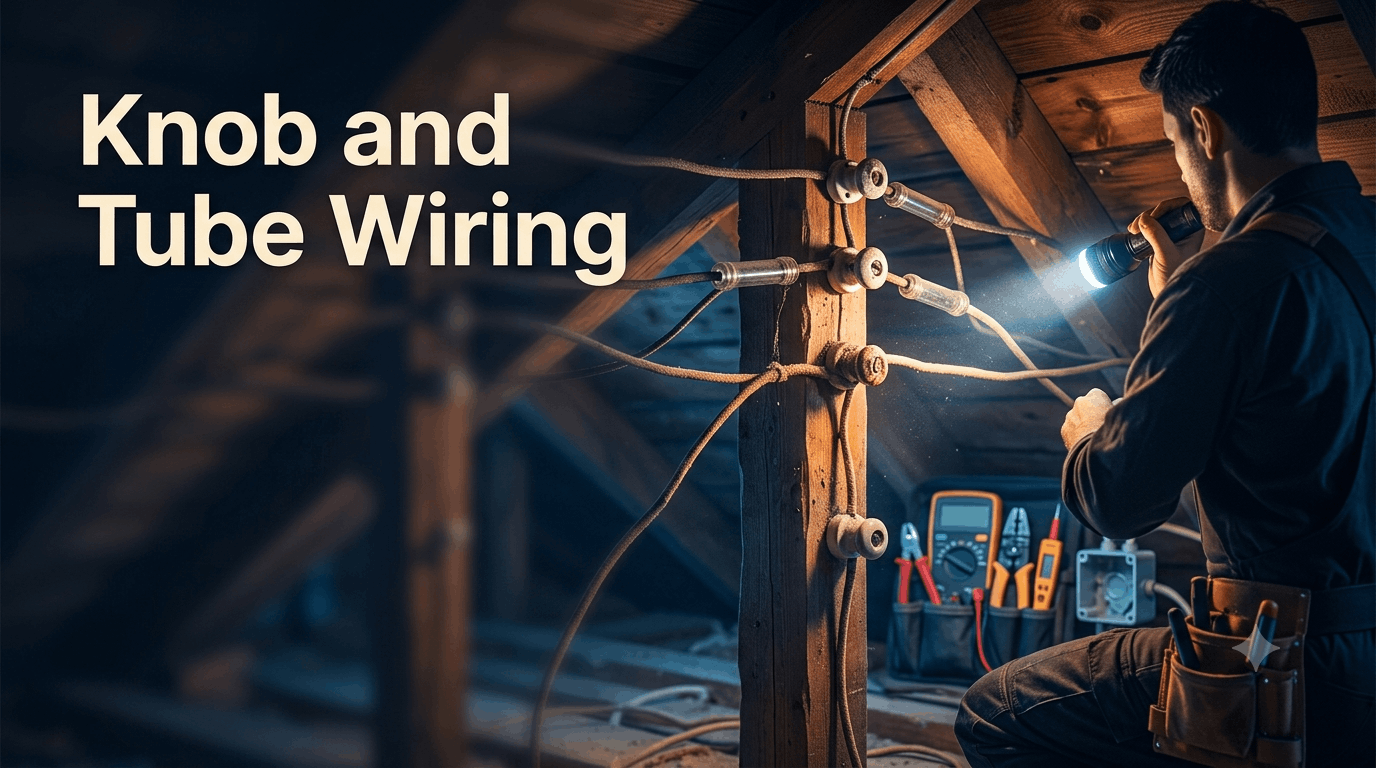
Knob and tube wiring is an early electrical system that uses individual insulated copper wires instead of bundled electrical cables. Each conductor is installed separately and supported by ceramic components that keep the wires away from wooden framing.
The system includes two main parts:
- Ceramic Knobs: Hold and support wires along wooden beams.
- Ceramic Tubes: Protect wires where they pass through wooden studs or joists.
Unlike modern wiring systems, knob and tube wiring does not include a grounding wire, making it different from today’s electrical installations.
History of Knob and Tube Wiring
Knob and tube wiring became popular in North America during the late 19th century and remained the standard residential wiring method until the 1940s.
At that time, homes used very little electricity. Most electrical systems powered only:
- Light fixtures
- Ceiling fans
- Early radios
- Small household appliances
Since electrical demand was low, the system performed efficiently for decades. As more powerful appliances such as refrigerators, air conditioners, microwaves, and electric dryers became common, newer wiring methods replaced knob and tube systems to meet modern electrical needs.
How Does Knob and Tube Wiring Work?
Unlike modern electrical cables that contain multiple conductors inside one protective jacket, knob and tube wiring separates the hot and neutral wires.
Ceramic Knobs
Ceramic knobs are attached directly to wooden framing. They keep electrical wires securely in place and maintain safe spacing from combustible materials.
Ceramic Tubes
Whenever wires pass through wooden walls or ceiling joists, ceramic tubes provide insulation and prevent friction that could damage the wire covering.
Copper Conductors
The electrical current travels through individual copper wires wrapped in rubber and cloth insulation. While the copper conductors often remain durable, the insulation can deteriorate after many decades.
Open-Air Design
One unique advantage of knob and tube wiring is its open-air installation. Since wires are separated instead of bundled together, heat dissipates more effectively, reducing overheating under normal electrical loads.
Where Is Knob and Tube Wiring Found?
Knob and tube wiring is most commonly found in homes built before the 1950s.
Typical locations include:
- Attics
- Basements
- Crawl spaces
- Wall cavities
- Ceiling joists
Many older homes have only partial knob and tube wiring because some circuits were replaced during renovations while others remained unchanged.
How to Identify Knob and Tube Wiring
You can often recognize knob and tube wiring by its distinctive appearance.
Common signs include:
- White ceramic knobs attached to wooden beams
- Ceramic tubes passing through framing
- Individual wires instead of bundled cables
- Cloth-covered insulation
- No grounding conductor
If you notice these features, avoid disturbing the wiring and have it inspected by a licensed electrician.
Why Was Knob and Tube Wiring Popular?
When it was first introduced, knob and tube wiring offered several benefits that made it one of the safest electrical systems of its time.
Reliable Performance
The system used high-quality copper conductors and durable ceramic supports that often lasted for decades.
Better Heat Dissipation
Since the wires were separated in open air, heat escaped more easily than with early bundled wiring systems.
Easy Maintenance
Because each conductor was installed separately, electricians could repair individual wires without replacing an entire cable.
Durable Ceramic Components
The ceramic knobs and tubes remain in excellent condition even after many decades because they resist moisture, heat, and corrosion.
Advantages of Knob and Tube Wiring
Although outdated today, knob and tube wiring still has several strengths.
High-Quality Copper: Thick copper conductors continue to provide good electrical conductivity.
Long Lifespan: Properly maintained systems can remain functional for many decades.
Less Heat Buildup: Open-air wiring allows better cooling under normal electrical loads.
Simple Design: Individual conductors make troubleshooting easier for electricians experienced with older electrical systems.
Disadvantages of Knob and Tube Wiring
Despite its advantages, knob and tube wiring has several limitations compared to modern electrical systems.
No Ground Wire
Traditional knob and tube wiring lacks a grounding conductor, reducing protection against electrical faults and preventing proper grounding of three-prong outlets.
Aging Insulation
The original rubber and cloth insulation naturally deteriorates over time, leading to:
- Cracking
- Dry rot
- Brittle insulation
- Exposed copper wires
Damaged insulation increases the risk of electrical faults and short circuits.
Limited Capacity
Older electrical systems were never designed to power today’s high-demand appliances, including:
- Air conditioners
- Microwaves
- Electric dryers
- Gaming computers
- Home office equipment
Overloading older circuits can lead to overheating and potential safety hazards.
Difficult Upgrades
Adding new outlets, lighting, or circuits to existing knob and tube wiring is often challenging and may not comply with current electrical codes.
Is Knob and Tube Wiring Safe?
Knob and tube wiring is not automatically dangerous simply because it is old. If it remains in good condition and has not been modified incorrectly, it may continue operating safely under appropriate electrical loads.
However, the risk increases when:
- Insulation has deteriorated.
- Circuits are overloaded.
- DIY electrical repairs have been made.
- Modern wiring has been connected improperly.
- Thermal insulation surrounds the wiring and traps heat.
For these reasons, homeowners should have any remaining knob and tube wiring inspected by a qualified electrician, especially before buying or renovating an older home
Common Safety Hazards of Knob and Tube Wiring
Although knob and tube wiring was considered safe when first introduced, decades of use and modern electrical demands have created several potential safety concerns.
1. Aging Insulation
The biggest issue with older knob and tube wiring is deteriorating insulation. The original rubber and cloth covering naturally becomes brittle over time, which may expose copper conductors.
Common problems include:
- Cracked insulation
- Dry or brittle wiring
- Exposed copper
- Increased risk of electrical shock or short circuits
Regular inspections can help identify these issues before they become serious.
2. Overloaded Circuits
Knob and tube wiring was designed when homes used only basic electrical devices. Today’s homes rely on many high-power appliances, including:
- Refrigerators
- Air conditioners
- Microwave ovens
- Electric heaters
- Washing machines
- Home office equipment
- Gaming PCs
Running several modern appliances on older circuits can overload the system and increase the risk of overheating.
3. Improper Repairs
Many older homes have undergone renovations over the years. Improper DIY electrical work can create additional hazards.
Common issues include:
- Mixing modern wiring with old circuits
- Unsafe wire splices
- Missing junction boxes
- Unsupported wiring
- Poor electrical tape repairs
Incorrect modifications often create more problems than the original wiring itself.
4. Insulation Around Wiring
Knob and tube wiring was designed to remain exposed to open air for cooling. Covering active wiring with modern insulation may trap heat and increase the chance of overheating. This is why many electricians recommend avoiding insulation around active knob and tube wiring unless approved by local electrical codes.
Home Inspection
If a home contains knob and tube wiring, a home inspector will usually examine:
- Condition of the insulation
- Visible ceramic knobs and tubes
- Signs of overheating
- Electrical panel upgrades
- Grounding issues
- Overloaded circuits
- Previous modifications
If concerns are found, a licensed electrician may recommend repairs or complete replacement.
Insurance Considerations
Many insurance companies consider knob and tube wiring a higher risk because of its age.
Depending on the provider:
- Some companies offer standard coverage.
- Others require an electrical inspection.
- Some charge higher insurance premiums.
- A few may require replacement before providing coverage.
Before purchasing an older home, it’s a good idea to check with your insurance company about their specific requirements.
Buying or Selling a Home
Buying a Home
Many older homes still contain active knob and tube wiring. Before purchasing, consider:
- Scheduling a professional electrical inspection
- Confirming whether the wiring is still active
- Checking for previous upgrades
- Reviewing insurance requirements
- Estimating future replacement costs
These steps can help you avoid unexpected expenses after purchase.
Selling a Home
Homes with knob and tube wiring can still be sold, although buyers may request:
- Electrical inspection reports
- Repair estimates
- Insurance information
- Evidence of previous electrical upgrades
Replacing outdated wiring before listing a property may improve buyer confidence, but it isn’t always required.
Should You Replace Knob and Tube Wiring?
Replacement depends on the overall condition of the system.
Replacing the wiring is generally recommended if:
- Insulation is damaged
- Circuits frequently overload
- Breakers trip regularly
- Burning smells or overheating are present
- Major renovations are planned
- Additional electrical capacity is required
If the wiring remains in good condition and meets your home’s electrical needs, an electrician may recommend regular monitoring instead of immediate replacement.
Replacement Costs
The cost of replacing knob and tube wiring depends on several factors, including:
- Home size
- Number of electrical circuits
- Accessibility of walls and ceilings
- Local labor rates
- Electrical panel upgrades
- Permit requirements
In many cases, replacing the entire system can cost several thousand dollars, while larger or more complex projects may exceed $15,000. Obtaining quotes from multiple licensed electricians can help you compare pricing and recommended solutions.
Modern Alternatives
Modern electrical systems provide greater safety and support today’s higher electrical demands.
Non-Metallic (NM) Cable
Also known as Romex, NM cable is the most common wiring used in modern homes.
Benefits include:
- Ground wire included
- Better insulation
- Easier installation
- Meets current electrical codes
Metal-Clad (MC) Cable
MC cable offers extra mechanical protection and is commonly used in commercial buildings as well as some residential projects.
Conduit Wiring
Conduit systems protect wires inside metal or plastic tubing, providing:
- Excellent durability
- Easy future wire replacement
- Strong protection against damage
Maintenance Tips
If your home still has active knob and tube wiring, follow these safety recommendations:
- Schedule regular inspections by a licensed electrician.
- Avoid overloading electrical circuits.
- Never install insulation over active wiring without professional approval.
- Replace damaged outlets or switches promptly.
- Avoid DIY electrical repairs.
- Watch for warning signs such as flickering lights, warm outlets, or burning odors.
Routine maintenance can help identify potential problems before they become serious.
Common Myths
Myth 1: All Knob and Tube Wiring Is Dangerous
False. Age alone does not make the system unsafe. A properly maintained system may continue to operate safely within its intended electrical capacity.
Myth 2: Every Home Must Replace It Immediately
False. The decision depends on the wiring’s condition, insurance requirements, local regulations, and future renovation plans.
Myth 3: Ceramic Knobs Are the Problem
False. The ceramic components are usually the most durable part of the system. Most issues involve aging insulation or improper modifications.
Conclusion
Knob and tube wiring played an important role in the early development of residential electrical systems. Its ceramic supports, quality copper conductors, and open-air design made it an effective solution for homes built more than a century ago.
However, modern households require much more electricity than older homes were designed to handle. Aging insulation, the lack of grounding, and decades of modifications mean that many systems should be carefully evaluated by a licensed electrician.
Whether you’re buying an older home, planning a renovation, or simply learning about your electrical system, understanding the condition of knob and tube wiring will help you make informed decisions about safety, maintenance, insurance, and future upgrades.
Frequently Asked Questions
It is an older electrical wiring system that uses individual insulated copper conductors supported by ceramic knobs and protected by ceramic tubes.
It can be safe if properly maintained, but deteriorated insulation, overloaded circuits, and poor repairs increase the risk of electrical problems
No. Traditional knob and tube wiring does not include a grounding conductor.
Some repairs may be possible where permitted, but many electricians recommend replacing aging systems to meet modern safety standards.
The ceramic components can last for many decades, but the rubber and cloth insulation often deteriorate with age.