Hyrule Warriors: Age of Imprisonment – Complete Guide
introduction
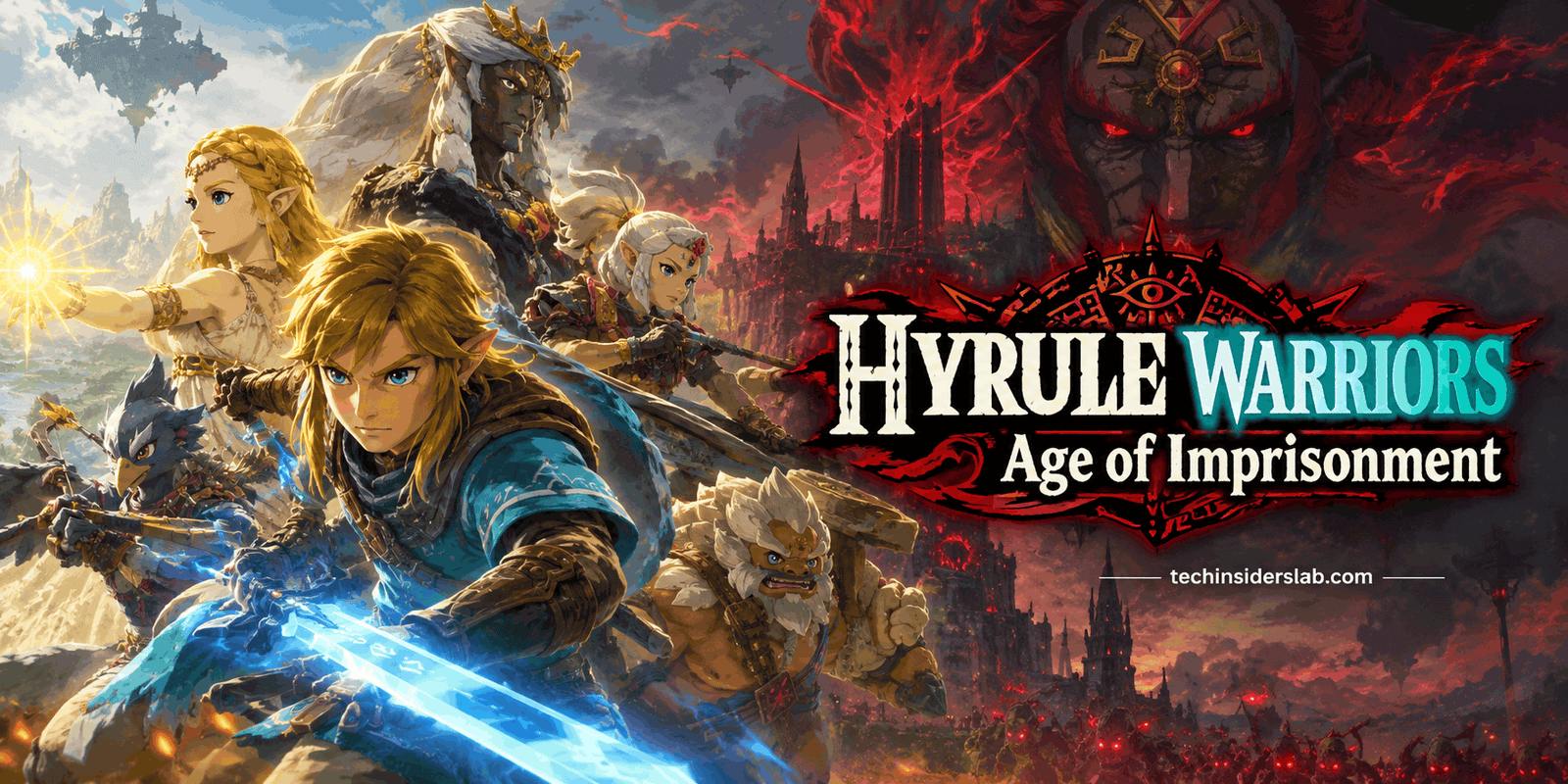
Hyrule Warriors: Age of Imprisonment is an action-packed video game that combines the fantasy world of The Legend of Zelda with large-scale battlefield combat. The game takes players into the ancient history of Hyrule, exploring the legendary Imprisoning War and the conflict against Demon King Ganondorf.
Released exclusively for Nintendo Switch 2 on November 6, 2025, the game offers a different experience from traditional Zelda adventures. Instead of focusing mainly on exploration, puzzles, and dungeon challenges, it emphasizes fighting large groups of enemies, coordinating with allies, and completing demanding battlefield missions.
This guide covers the storyline, gameplay, characters, combat mechanics, graphics, multiplayer features, advantages, disadvantages, and everything players should know before playing.
What Is Hyrule Warriors: Age of Imprisonment?
Hyrule Warriors: Age of Imprisonment is a hack-and-slash action game developed by Koei Tecmo Games and published by Nintendo. It belongs to the Hyrule Warriors series, which combines Nintendo’s famous fantasy characters and settings with the fast-paced combat style of the Warriors franchise.
The main objective is to fight through waves of enemies, defeat powerful commanders, capture important locations, and complete missions across the battlefield. Players can control powerful heroes and use special attacks to defeat large groups of monsters.
The game also expands the history of ancient Hyrule, exploring events connected to the rise of Ganondorf and the war that shaped the kingdom’s future.
Its combination of familiar characters, large battles, and story-driven missions makes it appealing to players who want to experience the Zelda universe from a different perspective.
Story and the History of Ancient Hyrule
The story takes place in ancient Hyrule during the events surrounding the Imprisoning War. This conflict is important to the broader Zelda storyline because it helps explain the historical events associated with The Legend of Zelda: Tears of the Kingdom.
Princess Zelda becomes involved in this distant era and joins forces with King Rauru, Mineru, and other heroes to fight against Ganondorf and his growing army.
The story explores the alliances, battles, and sacrifices involved in protecting Hyrule. It also gives players a closer look at important historical figures and introduces additional characters who participate in the war.
The Battle Against Ganondorf
Ganondorf is the central threat, leading an army of monsters against Hyrule. His ambition and growing power put the kingdom in danger, forcing its defenders to work together.
Players experience the conflict through missions that combine combat objectives with story sequences. Each battle contributes to the larger struggle between Hyrule’s defenders and the forces of the Demon King.
Princess Zelda’s Journey
Princess Zelda is one of the central characters in the game. Her presence connects the ancient setting to the events familiar to players of Tears of the Kingdom.
Her journey involves adapting to an unfamiliar time, developing relationships with allies, and participating in the fight to protect Hyrule.
Players who enjoy Zelda’s history and characters may appreciate seeing these events presented through interactive battles. However, the game follows the Warriors combat formula rather than the open-world exploration found in traditional Zelda adventures.
Gameplay and Combat Mechanics
Gameplay is the main attraction of Hyrule Warriors: Age of Imprisonment. The game focuses on fast attacks, powerful special moves, battlefield objectives, and teamwork.
1. Large-Scale Battles
One of the game’s defining features is its enormous enemy encounters. Players fight groups of familiar creatures, including Bokoblins, Lizalfos, Moblins, and other dangerous opponents.
These battles create a sense of scale that differs from conventional action-adventure games. A single powerful attack can knock back multiple enemies, while special abilities can clear large areas of the battlefield.
Success is not simply about defeating as many enemies as possible. Players must also complete mission objectives, defeat enemy commanders, and protect important locations.
2. Character-Specific Fighting Styles
Each playable hero has a distinctive combat style. Some characters specialize in direct melee attacks, while others use magical abilities, ranged strikes, or unusual weapons.
This variety encourages experimentation. A character that performs well against groups of weaker enemies may require a different approach when facing a heavily armored boss.
Learning attack combinations and understanding each hero’s strengths can make difficult missions more manageable.
3. Unique Skills
Unique Skills add another layer to the combat system. These abilities allow characters to perform specialized moves that can interrupt enemy attacks, create openings, or deal significant damage.
Using these skills at the right moment is particularly important when fighting powerful enemies. Instead of repeatedly using basic attacks, players can observe enemy movements and respond with an appropriate ability.
4. Sync Strikes
Sync Strikes are powerful cooperative attacks performed by two allied characters. Different character combinations can produce different attack effects, adding variety to battles.
These attacks encourage players to consider which heroes work well together rather than choosing characters independently.
Sync Strikes can help damage groups of enemies and create opportunities against tougher opponents. They also make teamwork feel more meaningful during battles where several heroes fight on the same side.
5. Elemental Effects and Zonai Devices
The game incorporates ideas inspired by Tears of the Kingdom, including Zonai technology and elemental effects.
Water, wind, and fire-based interactions can influence combat. Players can use certain devices and abilities to create tactical advantages, making equipment and battlefield decisions more important than simple button combinations.
Experimenting with different effects can help control groups of enemies and create opportunities against tougher opponents.
Playable Characters and Heroes
The playable roster is an important part of the experience because different heroes provide different ways to approach the battlefield.
- Princess Zelda: A central character who uses a combination of attacks and special abilities.
- King Rauru: The first king of Hyrule and a powerful Zonai figure whose abilities help defend the kingdom.
- Mineru: A character associated with Zonai technology who offers a combat style involving mechanical devices and inventive attacks.
- Other heroes: Additional allies and newly introduced characters expand the range of fighting styles available.
Players can benefit from switching characters when missions involve multiple objectives or when a particular hero is better suited to an encounter.
The variety helps prevent every battle from feeling exactly the same and encourages players to experiment with different combinations.
Graphics, Visuals, and Performance
Hyrule Warriors: Age of Imprisonment uses the visual identity of modern Zelda games while adapting it to battlefields filled with enemies and special effects.
Character designs, magical attacks, weapons, and large enemy encounters create a colorful fantasy atmosphere. Fans of Tears of the Kingdom may also recognize familiar visual elements and technology-inspired designs.
The Nintendo Switch 2 hardware supports large battles and a more modern technical presentation. The game’s environments, character animations, and combat effects help make encounters feel energetic and visually engaging.
However, the large number of enemies and effects on screen can sometimes make individual details harder to follow. Players who prefer slower-paced games with detailed environmental exploration may find this presentation less appealing.
Overall, the graphics support the game’s main purpose: delivering energetic combat without losing the identity of the Zelda universe.
Game Modes, Multiplayer, and Platform Support
Hyrule Warriors: Age of Imprisonment is designed for Nintendo Switch 2 and supports TV, tabletop, and handheld play. Players can enjoy battles on a television or play directly on the console’s screen.
The game supports single-system play for one or two players and includes GameShare features. These options allow players to enjoy cooperative gameplay, subject to the relevant hardware, account, internet, and service requirements.
Cooperative play is useful for people who prefer sharing the experience with a friend. It also fits the game’s emphasis on allied heroes and coordinated attacks.
Before purchasing, players should confirm that they own a Nintendo Switch 2. The game is not an ordinary cross-platform release for PC, PlayStation, Xbox, or the original Nintendo Switch.
Progression, Upgrades, and Replay Value
Progression gives players reasons to continue fighting after completing individual missions. As they advance, they can improve characters, unlock additional options, and prepare more effectively for challenging encounters.
Choosing suitable equipment and developing preferred heroes can make a noticeable difference during difficult battles. Players who enjoy experimenting with different character combinations may find additional reasons to replay missions.
Optional challenges and extra objectives can provide activities beyond the central campaign. These features help players spend more time learning combat mechanics and improving their performance.
However, players who prefer completely different environments and mission structures may find some battles repetitive. The experience is most enjoyable for people who appreciate improving their skills and trying new combat strategies.
Advantages and Disadvantages
Like any game, Hyrule Warriors: Age of Imprisonment has strengths and weaknesses.
| Advantages | Disadvantages |
| Exciting battles against large enemy groups | Combat can become repetitive |
| Different fighting styles for playable characters | Some story elements may feel limited |
| Sync Strikes encourage teamwork | Certain mission objectives can feel similar |
| Expands the history of ancient Hyrule | Not a traditional open-world Zelda adventure |
| Designed for Nintendo Switch 2 hardware | Requires the newer console |
| Supports cooperative play | New players may need time to learn the combat |
Its strengths are most noticeable during battles. Players who enjoy action and character experimentation are more likely to appreciate its design than those primarily interested in exploration and puzzles.
Is Hyrule Warriors: Age of Imprisonment Worth Playing?
Whether the game is worth playing depends on what you want from a Zelda experience.
If you enjoy fast-paced action, fighting large enemy groups, unlocking upgrades, and experimenting with different heroes, Age of Imprisonment offers an engaging experience. Its connection to Tears of the Kingdom also makes it interesting for fans who want to explore the history of Hyrule.
On the other hand, players expecting a traditional Zelda adventure may be disappointed. The game does not focus on extensive open-world exploration, environmental puzzles, or the same style of dungeon progression associated with mainline entries.
The hardware requirement is another consideration. Since the game is exclusive to Nintendo Switch 2, purchasing it may not make sense for someone who does not already own the console.
Verdict: Hyrule Warriors: Age of Imprisonment is a good choice for fans of hack-and-slash action and the Zelda universe. Its combat systems, character variety, and historical setting give it a clear identity, even if its mission structure can become repetitive.
Tips for Beginners
New players can make the experience more enjoyable by following a few simple strategies.
- Learn each character’s strengths. Experiment with different heroes to discover which combat styles suit you.
- Focus on mission objectives. Defeating enemies is important, but completing the actual objective should remain your priority.
- Use Unique Skills strategically. Save specialized abilities for dangerous enemies or moments when you need to interrupt an attack.
- Experiment with Sync Strikes. Try different ally combinations to discover useful cooperative attacks.
- Upgrade your preferred heroes. Improving characters can help you handle tougher encounters.
- Pay attention to enemy attacks. Learning when to dodge, counter, or use a special ability is often more effective than relying entirely on basic attacks.
- Try cooperative play. Playing with a friend can make battles more enjoyable and introduce new teamwork opportunities.
These tips are particularly helpful for players who are new to the Warriors genre but already enjoy Nintendo’s fantasy games.
Conclusion
Hyrule Warriors: Age of Imprisonment brings the ancient history of Hyrule to life through large-scale battles, powerful heroes, cooperative attacks, and fast-paced hack-and-slash combat. Its connection to Tears of the Kingdom adds context to the Imprisoning War, while its character abilities and battlefield mechanics provide plenty of action.
Although repetitive missions and its focus on combat may not appeal to every Zelda fan, the game offers an entertaining alternative to the franchise’s traditional adventure formula. For players who enjoy action games, fantasy battles, and Nintendo’s memorable characters, it is worth considering.