introduction
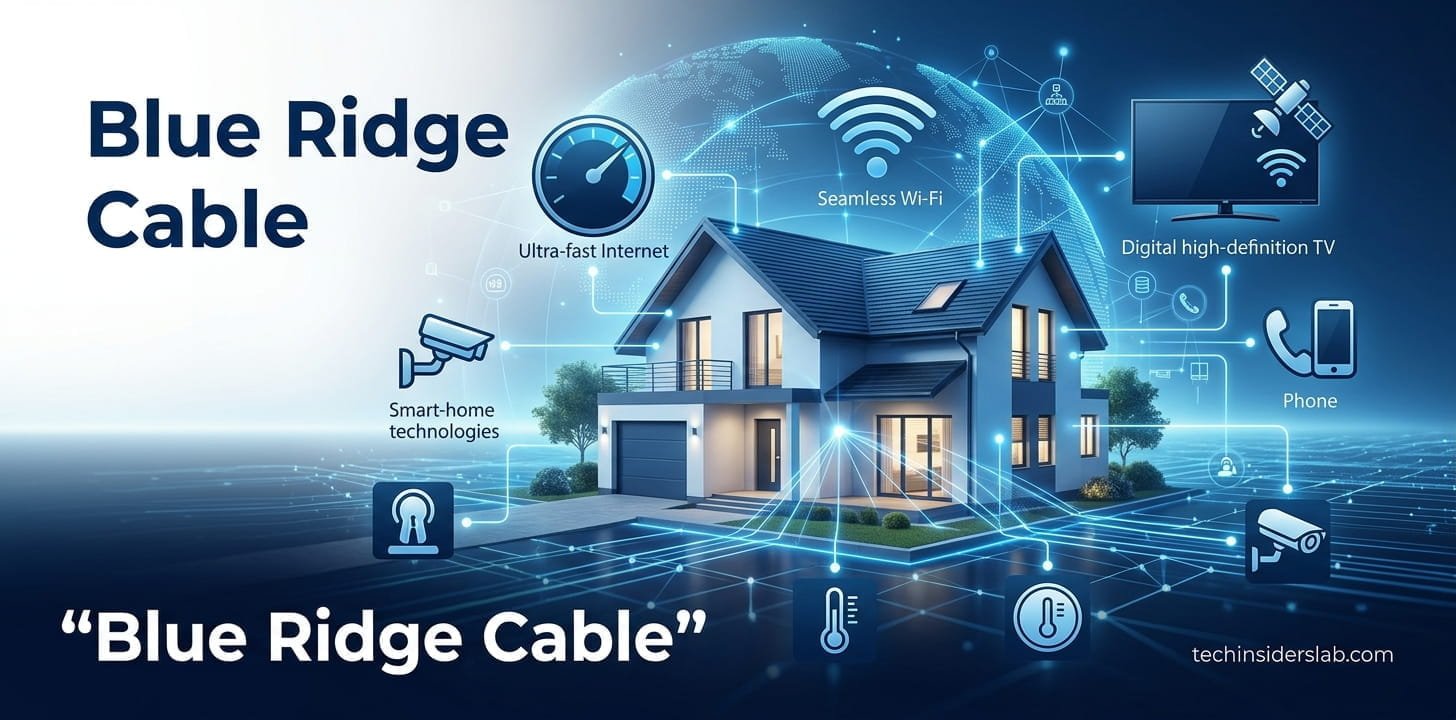
Blue Ridge Cable, officially known as Blue Ridge Cable Technologies, Inc., is a regional communications company serving communities primarily across northeastern Pennsylvania. Operating under the name Blue Ridge Communications, the company has developed from a traditional cable television provider into a broader technology and connectivity provider offering internet, television, digital phone, and smart-home security services.
What makes Blue Ridge interesting from a technology perspective is its long history. The company traces its roots back to 1950, when the Palmerton TV Signal Corporation was established to improve television reception in the Palmerton area. At the time, the goal was relatively simple: use an antenna and coaxial cable infrastructure to deliver clearer television signals to local households. Over the decades, that basic concept evolved into a much more advanced communications network.
Today, Blue Ridge focuses on keeping homes and businesses connected through modern broadband and digital entertainment technologies. Its services reflect how the telecommunications industry has changed from traditional cable television toward high-speed internet, streaming, connected devices, and smart-home solutions.
The History Behind Blue Ridge Cable
Blue Ridge’s history is an important part of understanding the company. Its original operation began in Palmerton in 1950, when Claude E. Reinhard and other investors founded the Palmerton TV Signal Corporation. The company used coaxial cable and an antenna positioned on Blue Mountain to improve television reception for residents in the area.
The business continued expanding during the following decades. In 1955, Palmerton TV Signal Corporation acquired the Palmerton Telephone Company, followed by the acquisition of the Blue Ridge Telephone Company in 1956. These developments allowed the organization to move beyond television and become involved in telephone and communications services as well.
During the 1960s and 1970s, the company continued developing its media and cable operations. In 1971, its cable television division adopted the name Blue Ridge Cable Television, Inc. Later, as internet and digital communications became increasingly important, the organization expanded its technology offerings.
In 1999, Blue Ridge Cable Technologies changed its name to Blue Ridge Communications, reflecting the broader range of communications services it had begun offering. According to the company’s history, it now serves more than 170,000 homes.
This evolution demonstrates an important trend in telecommunications: cable companies are no longer limited to delivering television channels. Modern cable networks can support broadband internet, digital entertainment, voice communications, security systems, and connected-home technologies.
Blue Ridge Internet Services
Internet connectivity is one of the most important parts of Blue Ridge’s modern service portfolio. The company provides high-speed internet services designed for activities such as streaming video, online gaming, remote work, video conferencing, browsing, and connecting smart-home devices.
Blue Ridge promotes both high-speed and gigabit-level internet connectivity, depending on availability and service area. Its official website also provides separate setup instructions for standard Blue Ridge Internet and fiber internet customers.
The technology behind a home internet connection is more than simply plugging in a modem. A typical connection involves several components working together. The modem establishes communication with the provider’s network, while a router or home networking system distributes the connection to computers, smartphones, televisions, gaming consoles, and other devices.
Blue Ridge’s self-installation resources explain that a typical cable modem kit can include a cable modem, power cord, Ethernet cable, coaxial cable, an optional splitter, and a plastic wrench. Customers can use these components to connect their modem to an active cable outlet and establish their internet connection.
For households with many connected devices, wireless network performance is especially important. Modern homes may have phones, laptops, smart TVs, security cameras, speakers, tablets, gaming systems, and smart appliances connected simultaneously. This makes home networking technology an increasingly important part of the overall internet experience.
Fiber Internet and the Future of Connectivity
Fiber internet represents another major development in broadband technology. Unlike traditional cable connections that rely heavily on coaxial infrastructure, fiber-optic systems transmit data using pulses of light through optical fiber.
This technology can provide extremely high bandwidth and is particularly useful for households that require fast uploads and downloads, low latency, and reliable connectivity.
Blue Ridge provides specific fiber installation instructions through its self-installation hub, indicating that fiber connectivity is part of its modern broadband offering.
The growth of fiber is significant because internet usage continues to increase. High-resolution video streaming, cloud applications, remote work, online education, gaming, artificial intelligence tools, and smart-home devices all place additional demands on residential networks.
Cable TV and Digital Entertainment
Although internet connectivity has become central to modern communications, television remains an important part of Blue Ridge’s service offering.
Blue Ridge has historically provided digital cable television, On Demand programming, DVR functionality, and HDTV services. The company’s technology has evolved alongside the broader television industry, moving from traditional analog cable toward digital entertainment and interactive viewing experiences.
One important development has been the integration of television with modern streaming-style experiences. Blue Ridge’s current self-installation resources include Blue Ridge Stream, demonstrating the company’s focus on newer approaches to television delivery.
This shift reflects a larger change in consumer behavior. Viewers increasingly expect flexible access to entertainment rather than relying exclusively on scheduled television broadcasts. Digital platforms, On Demand content, DVRs, and streaming devices have changed the way people consume media.
Digital Phone and Communication Services
Blue Ridge also offers digital phone services as part of its communications portfolio. Regulatory documentation describes the company as providing multichannel video, broadband internet, VoIP phone, and security services.
VoIP, or Voice over Internet Protocol, is different from traditional telephone technology because voice communication is transmitted through internet protocol networks.
For users, the practical benefit is that voice communication can become part of the same broader communications infrastructure used for internet and digital services. This is another example of how modern telecommunications providers combine multiple services into one connected ecosystem.
Smart Home and Security Technology
Another interesting part of Blue Ridge’s technology portfolio is home security.
The company’s smart-home security service includes equipment installation and monitoring services. Its official service agreement describes an event monitoring system installed at the subscriber’s residence.
Home security technology has changed considerably in recent years. Instead of relying only on traditional alarms, modern systems can incorporate connected sensors, cameras, monitoring equipment, mobile connectivity, and other smart-home components.
When internet connectivity, home networking, entertainment, and security are combined, the home effectively becomes a connected digital environment. This is one reason telecommunications companies increasingly position themselves as technology providers rather than simply cable companies.
HomeFi and Connected Devices
A reliable internet connection is only one part of a good home network. Wireless coverage is equally important, particularly in larger houses or homes with thick walls and multiple floors.
Blue Ridge provides HomeFi setup resources alongside its internet and streaming services.
Home Wi-Fi technology helps distribute internet connectivity throughout a property. Modern networking systems can also help users manage multiple devices and improve coverage in areas that might otherwise experience weak signals.
This is especially relevant as the number of connected devices continues to grow. A family might simultaneously use smartphones, laptops, televisions, tablets, cameras, gaming consoles, and smart appliances. A well-designed home network can make these devices easier to connect and manage.
Blue Ridge’s Focus on Technology
Blue Ridge describes itself as being focused on connecting communities with current technology and says it continues investing in infrastructure and partnerships. The company specifically mentions technology relationships involving companies such as TiVo and eero.
This approach is important because telecommunications networks require continuous investment. Customer expectations for speed and reliability change quickly, while technologies such as fiber broadband, Wi-Fi systems, streaming platforms, and connected-home devices continue to develop.
For a regional provider, maintaining modern infrastructure can be particularly important because many customers live outside large metropolitan areas. Blue Ridge states that it aims to ensure customers in more rural areas can also access modern services and technology.
Why Blue Ridge Cable Is More Than a Traditional Cable Company
The term “cable company” can make Blue Ridge sound like a traditional television provider, but its current service portfolio is much broader.
Modern Blue Ridge services cover several areas:
- High-speed broadband internet
- Fiber internet
- Digital and streaming television
- On Demand entertainment
- Digital phone and VoIP
- Home networking
- Smart-home security
- Customer self-installation and support resources
This combination places the company within the wider telecommunications and technology industry rather than only the traditional cable-TV market.
Conclusion
Blue Ridge Cable has evolved far beyond its original role as a traditional cable television provider. From its beginnings in the 1950s, the company has gradually expanded its communication infrastructure to support the way modern households use technology today. Its services now cover high-speed internet, fiber connectivity, digital television, streaming, phone services, home networking, and smart-home security.
What makes Blue Ridge particularly relevant in today’s technology landscape is its focus on connectivity. People now depend on reliable internet connections for work, education, entertainment, communication, gaming, and smart-home devices. As these demands continue to grow, broadband infrastructure and home networking technology are becoming just as important as traditional television and telephone services.
Blue Ridge’s development also reflects the broader transformation of the telecommunications industry. A company that originally focused on improving television reception can now provide an interconnected range of digital services to homes and businesses.
For customers looking for a regional provider that combines internet, entertainment, communication, and connected-home services, Blue Ridge represents an example of how traditional cable infrastructure has developed into a modern technology ecosystem.
Ultimately, Blue Ridge Cable is best viewed as a telecommunications and technology provider rather than simply a cable TV company. Its long history, expanding broadband capabilities, digital entertainment options, and smart-home services demonstrate how communication technology continues to evolve with changing consumer needs.
Bilkul. 6 main FAQs rakhna better rahega—article clean bhi lagega aur unnecessary repetition bhi nahi hogi.