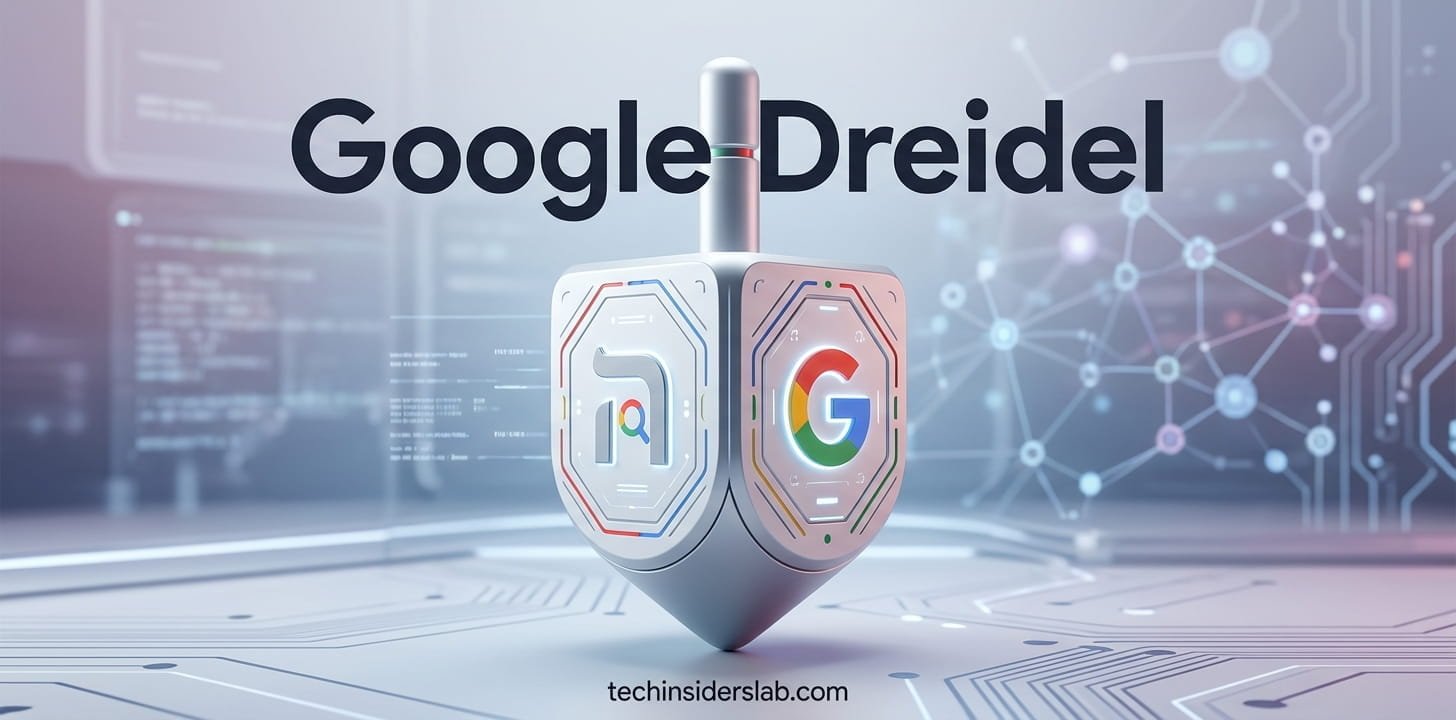
Google Dreidel: A Complete Guide to the Digital Hanukkah Game
introduction
Google Dreidel is a simple and entertaining way to experience the traditional dreidel game in a digital format. The idea connects a familiar internet experience with an old Hanukkah tradition: spinning a four-sided top marked with Hebrew letters and following the action associated with the letter that lands face up.
For people searching for Google Dreidel, the term can refer to a Google-related interactive dreidel experience or to online versions of the game that allow users to spin a virtual dreidel in a browser. The traditional game itself has a much deeper cultural background, making it useful to understand both the digital experience and the original game.
This guide explains what Google Dreidel is, how the traditional dreidel works, what the four Hebrew letters mean, how to play, and why digital versions can be useful for learning and entertainment.
What Is Google Dreidel?
Google Dreidel generally refers to an online or Google-related way of spinning a virtual dreidel. Instead of needing a physical wooden or plastic dreidel, users can interact with a digital version through a browser or online game.
The concept is based on the traditional dreidel, a four-sided spinning top associated with Hanukkah. Each side contains a Hebrew letter, and the letter facing upward after the spin determines what happens during the game.
Google has used interactive experiences and special digital features to bring cultural traditions into modern online formats. A digital dreidel fits naturally into this idea because the traditional activity is already based around a simple interaction: spin the top and see where it lands.
However, not every website or application using the term “Google Dreidel” is necessarily an official Google product. Some independent websites and mobile applications provide their own virtual dreidel experiences. Therefore, users should distinguish between an official Google experience and a third-party digital game.
The basic concept remains the same: spin a virtual dreidel and follow the traditional game rules.
What Is a Dreidel?
A dreidel is a small four-sided spinning top traditionally used during Hanukkah. Its four sides are marked with Hebrew letters:
- Nun (נ)
- Gimel (ג)
- Hei (ה)
- Shin (ש)
Together, these letters are associated with the phrase “Nes Gadol Hayah Sham,” meaning “A great miracle happened there.”
The phrase refers to the Hanukkah story and the miracle traditionally associated with the Temple in Jerusalem.
In Israel, many dreidels use Peh (פ) instead of Shin. This changes the phrase to indicate that the great miracle happened “here,” referring to Israel.
These letters are not simply decorative. They determine the action that takes place during the game.
The Connection Between Google and Dreidel
Google is well known for interactive experiences that allow users to interact with special subjects directly through a browser. Holiday and cultural themes have frequently been presented in creative digital formats.
A virtual dreidel works especially well as an interactive experience because the traditional game is already based on a physical action: spinning.
Instead of holding a wooden or plastic dreidel, users can interact with a digital version. The animation produces a result, and the user follows the corresponding game rule.
Digital dreidels can also be useful for people who have never played the traditional game. The online format can introduce the four Hebrew letters and their meanings before someone participates in a physical game.
It is important to remember that the name “Google Dreidel” can be used broadly by people searching for an online dreidel experience. Some results may be independent games rather than official Google services.
How Does the Traditional Dreidel Game Work?
The traditional dreidel game is relatively simple.
Players normally sit together and receive an equal number of small game pieces. These may include chocolate gelt, coins, candies, nuts, or other small objects.
Before the game starts, each player contributes a piece to a central pot.
Players then take turns spinning the dreidel. When it stops spinning, the player looks at the Hebrew letter facing upward.
The letter determines what happens next.
Nun — Nothing
If the dreidel lands on Nun (נ), nothing happens.
The player does not take anything from the pot and does not add anything. The next player then takes a turn.
Nun is therefore one of the easiest outcomes to remember.
Gimel — Take Everything
If the dreidel lands on Gimel (ג), the player takes the entire pot.
This can be an important moment in the game because the player receives all of the pieces currently in the center.
After the pot is emptied, players generally contribute pieces again so the game can continue.
Hei — Take Half
If the dreidel lands on Hei (ה), the player takes half of the pieces in the pot.
Rules can vary slightly when the pot contains an odd number of pieces. Some common versions provide an additional piece when necessary.
Shin — Put One In
If the dreidel lands on Shin (ש), the player puts one piece into the pot.
This means Shin increases the size of the central pot rather than reducing it.
In Israeli versions, Peh (פ) commonly replaces Shin and has the corresponding game function.
Google Dreidel vs. a Physical Dreidel
The biggest difference between a digital and physical dreidel is the way the game is experienced.
A physical dreidel requires an actual spinning top and physical game pieces. Players usually gather together and spin the object by hand.
A digital dreidel replaces the physical top with an animation or interactive interface.
Physical Dreidel
- Requires a real dreidel
- Can be played with family and friends
- Uses physical game pieces
- Provides a hands-on experience
- Works well for traditional Hanukkah gatherings
Digital Dreidel
- Can be used on a compatible device
- Does not require a physical dreidel
- Provides quick digital spins
- Can help beginners understand the rules
- May support individual or multiplayer gameplay
Some modern digital dreidel applications also include additional features such as virtual tokens, player tracking, multiple rounds, and different versions of the game.
Why People Search for Google Dreidel
There are several reasons why people may search for Google Dreidel.
One reason is convenience. Someone may want to play dreidel but may not have a physical dreidel available.
Another reason is curiosity. Users who discover the term online may want to understand what it means or see how the game works.
Google Dreidel can also attract people who are interested in Hanukkah traditions and want a simple introduction to the game.
The digital format is particularly useful because it removes the need to purchase or locate a physical game. A user can simply interact with an online version and learn the basic rules.
Can Beginners Learn Dreidel Through Google Dreidel?
Yes. A digital version can be a useful introduction for beginners.
Someone who has never played dreidel may initially have difficulty remembering the four Hebrew letters and their corresponding actions.
A digital game can make the process easier by showing the result immediately.
A simple way to remember the common rules is:
Nun = Nothing
Gimel = Get everything
Hei = Half
Shin = Put one in
Once these four outcomes are familiar, the basic game becomes easy to understand.
The Cultural Meaning Behind the Dreidel
The dreidel is more than a simple spinning toy. It has a strong connection with Hanukkah and Jewish cultural tradition.
The Hebrew letters on the dreidel are connected to the phrase describing the great miracle. The game has also become a familiar part of Hanukkah celebrations in many communities.
Dreidels have been created from many different materials and in a wide variety of artistic styles. Traditional examples can be made from wood or metal, while modern decorative versions may use ceramics, glass, plastic, acrylic, or other materials.
This shows how the dreidel has developed beyond a simple children’s game. It can also serve as a cultural object, educational tool, collectible, and piece of artwork.
Google Dreidel as an Educational Tool
Digital dreidel experiences can also be useful for education.
Teachers and parents can use the game to introduce several subjects, including:
- Hebrew letters
- Hanukkah traditions
- Cultural history
- Probability
- Random outcomes
- Interactive technology
- Basic game mechanics
The dreidel is especially useful for teaching simple probability because each spin produces one of several possible outcomes.
For example, students could record the results of 50 or 100 digital spins. They could then compare how frequently each letter appeared.
This activity can demonstrate an important concept: individual random events can vary, while larger numbers of trials can provide more useful patterns.
Tips for Playing Google Dreidel
If you are using a digital dreidel for the first time, a few simple tips can make the experience easier.
Learn the Four Letters
Start by learning Nun, Gimel, Hei, and Shin. Understanding the letters makes the game easier to follow.
Understand the Pot
The pot is the shared collection of game pieces. Players normally contribute to it during the game.
Check the Rules
Different digital versions may use slightly different rules. Always check the instructions provided by the particular game.
Understand the Israeli Version
Some versions may use Peh instead of Shin. This is a common difference between dreidels used in Israel and those used elsewhere.
Use Virtual Tokens
When playing with children, virtual coins or points can be a convenient alternative to real money.
Why Digital Versions Are Useful
One major advantage of digital dreidel games is accessibility.
Someone may want to learn the game without purchasing a physical dreidel. A digital version provides a quick way to understand the basic concept.
Digital games can also be useful for remote family activities. Depending on the application, multiple people may be able to participate from different devices.
Another advantage is education. A digital interface can clearly display the result of each spin, making it easier for beginners to understand what each Hebrew letter means.
However, a digital game does not completely replace the traditional experience. Playing with family and friends around a table provides a social and physical element that a digital screen cannot fully reproduce.
Instead, digital dreidel experiences can be viewed as an additional way to learn about and enjoy the tradition.
Google Dreidel and Modern Technology
Google Dreidel is an interesting example of how traditional activities can connect with modern technology.
A traditional game that has existed for generations can be recreated through an interactive digital experience. The basic mechanics remain simple, but technology changes how people access and experience them.
This is especially useful for younger users who are more comfortable with digital interfaces. Instead of first learning the game through a physical object, they can encounter it through a computer, smartphone, or tablet.
Technology can therefore serve as an introduction to cultural traditions while preserving the basic rules and meaning of the original activity.
Conclusion
Google Dreidel provides a modern digital way to explore one of the best-known games associated with Hanukkah. While the traditional dreidel is a physical four-sided spinning top, digital versions recreate the same basic idea through an online or mobile interface.
Learning the meanings of Nun, Gimel, Hei, and Shin makes the game easy to understand. Beyond entertainment, a digital dreidel can introduce users to Hebrew letters, cultural traditions, probability, and the history surrounding Hanukkah.
Whether someone is searching for a quick online game, learning how dreidel works, or exploring Hanukkah traditions, Google Dreidel provides an interesting connection between traditional culture and modern technology.