Introduction
Tools are one of the most important parts of any professional work. Whether you are involved in automotive repair, construction, manufacturing, workshop maintenance, or home improvement projects, having quality tools is extremely important. The concept of Direct Tools is valuable for users who are looking for reliable, durable, and efficient equipment.
In today’s modern era, both professionals and DIY users prefer tools that provide strong performance, comfortable handling, and long-term reliability. Choosing the right tools not only makes work easier but also improves productivity, safety, and accuracy.
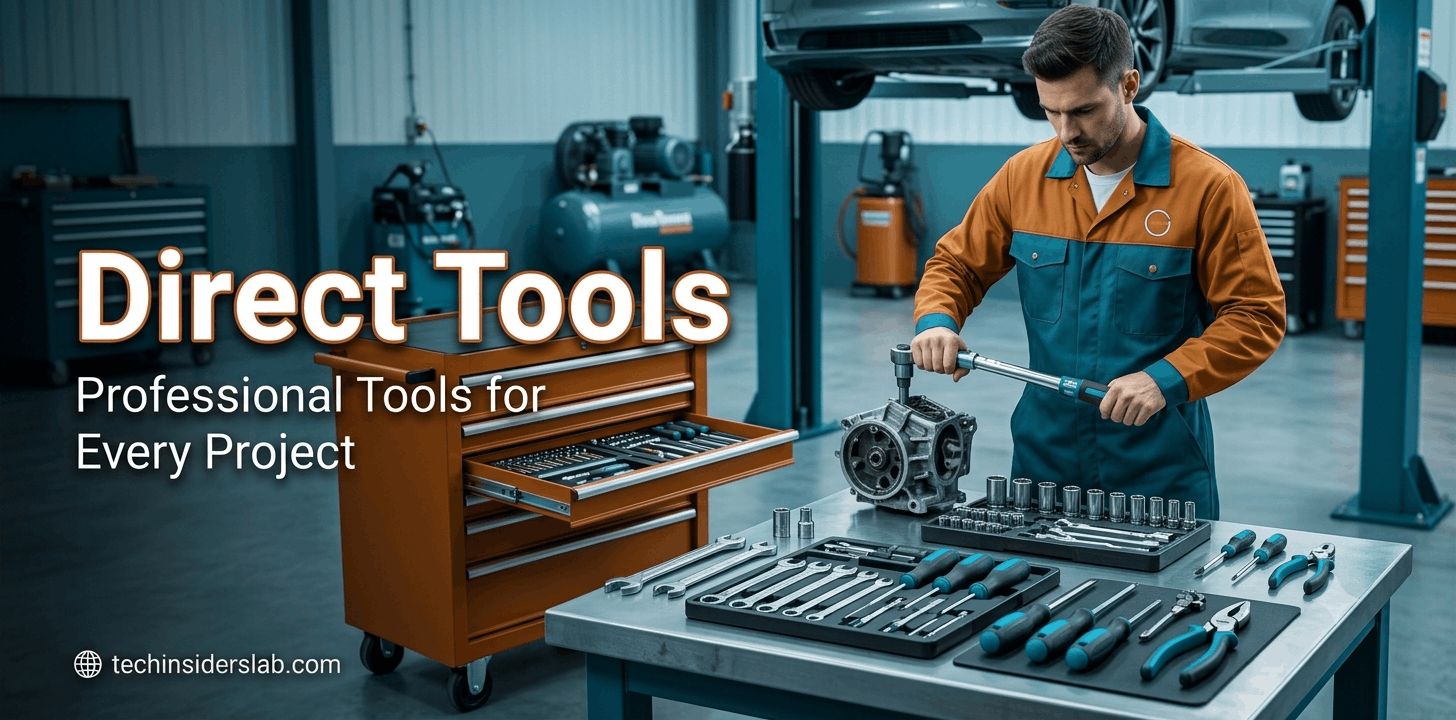
The Direct Tools category includes different types of equipment such as hand tools, power tools, automotive tools, workshop equipment, and industrial solutions. These tools fulfill the requirements of mechanics, technicians, builders, engineers, and general users.
In this complete guide, we will explore the importance, types, features, benefits, industry uses, buying tips, and maintenance methods of Direct Tools in detail.
What Are Direct Tools?
Direct Tools refer to tools and equipment that provide users with direct working solutions. These tools are designed to make professional tasks and daily repair work more efficient.
The main purposes of quality tools are:
- Increasing work speed
- Providing better accuracy
- Reducing user effort
- Improving safety
- Maintaining long-term performance
In professional industries, tools are not just basic equipment; they are an important factor in improving productivity.
Why Quality Tools Are Important
Every professional gives importance to tool quality because their daily work directly depends on tool performance.
If tools are low quality, they can cause:
- Delays in work
- Reduced accuracy
- Increased repair costs
- Safety issues
Benefits of high-quality tools include:
- Better control
- Strong performance
- Longer working life
- Professional results
This is why experienced workers always choose reliable tools.
Types of Direct Tools
1. Hand Tools
Hand tools are the most common and basic tools used in almost every industry.
Popular hand tools include:
- Screwdrivers
- Wrenches
- Pliers
- Hammers
- Socket sets
- Cutting tools
- Measuring tools
Good hand tools are made from strong materials and designed with comfortable grips so users can work easily for longer periods.
2. Power Tools
Power tools have completely changed modern working methods. These tools help complete difficult tasks in less time and with less effort.
Common power tools include:
- Electric drills
- Impact drivers
- Grinders
- Saws
- Sanders
- Power screwdrivers
Power tools are highly demanded in construction, automotive, and industrial fields because they improve productivity.
3. Automotive Tools
The automotive industry requires accurate and durable tools. Mechanics and technicians use professional equipment for vehicle repair and maintenance.
Automotive tools include:
- Ratchets
- Socket sets
- Torque wrenches
- Engine repair tools
- Diagnostic equipment
Quality automotive tools make repair work faster and more accurate.
4. Workshop Tools
Reliable and organized equipment is very important in workshops.
Workshop tools include:
- Tool cabinets
- Storage systems
- Work benches
- Clamps
- Measuring equipment
A proper workshop setup improves working efficiency and increases tool lifespan.
5. Industrial Tools
Industrial environments require tools that can handle heavy workloads and difficult conditions.
Important qualities of industrial tools include:
- High strength
- Better durability
- Reliable operation
- Safety features
Professional-grade tools are commonly used in manufacturing and maintenance industries.
Advantages of Direct Tools Over Normal Tools
There is a significant difference between professional-quality tools and ordinary tools.
Better Durability
Quality equipment in the Direct Tools category is made from stronger materials that can handle repeated use.
Higher Performance
Professional tools provide better results and smoother operation.
Time Saving
Efficient tools help complete tasks faster.
Better Safety
Properly designed tools reduce the chances of accidents and mistakes.
Features of High-Quality Tools
Strong Material
Quality tools use strong materials that increase their lifespan.
Precision Design
Accurate manufacturing provides better performance and professional finishing.
Comfortable Grip
Ergonomic design reduces user fatigue and improves comfort.
Easy Maintenance
Tools that are easy to maintain remain useful for a longer time.
Uses of Direct Tools in Different Industries
Automotive Industry
Mechanics use professional tools for vehicle repair and maintenance.
Construction Industry
Builders and workers use tools for drilling, cutting, installation, and other construction tasks.
Manufacturing Industry
In factories, tools are an important part of production and maintenance processes.
Home Improvement
DIY users use tools for furniture repair, installation, and basic maintenance projects.
Direct Tools for Professional Users
For professionals, tools are an investment. Mechanics, electricians, technicians, and builders need tools that can handle heavy daily use.
Important factors for professional users include:
- Reliability
- Durability
- Comfort
- Accuracy
- Long lifespan
High-quality tools help professionals achieve better results and improve customer satisfaction.
Direct Tools for DIY Users
Reliable tools are also very useful for DIY users.
Common DIY projects include:
- Furniture assembly
- Home repair
- Wall installation
- Garden maintenance
- Small renovation work
Beginners should first purchase basic tools and then expand their collection according to their needs.
How to Choose the Right Direct Tools
When purchasing tools, users should consider some important points.
Identify Your Purpose
First, decide what task you need the tool for.
Check Quality
It is important to examine material, design, and finishing quality.
Compare Different Options
Compare features of different tools before making the final decision.
Consider Long-Term Value
Durable tools may cost more initially but save money in the future.
Check User Reviews
Other users’ experiences can also help in making better decisions.
Common Mistakes While Buying Tools
Only Considering Price
The cheapest tool is not always the best option.
Selecting the Wrong Tool
Choosing the correct tool for each task is essential.
Ignoring Maintenance
Lack of proper care can damage tools quickly.
Compromising on Quality
Low-quality tools may provide short-term savings but can create problems in the long run.
Tool Maintenance Tips
Proper tool care improves performance and increases lifespan.
Useful maintenance tips:
- Keep tools clean
- Store them in a dry location
- Protect them from rust
- Lubricate moving parts
- Replace damaged tools
- Use tools for their correct purpose
Regular maintenance helps tools remain reliable for a longer time.
Future of Direct Tools Industry
The tool industry is continuously developing. Due to new technology and innovation, modern tools are becoming more efficient and user-friendly.
Future tools may include:
- Smart technology
- Lightweight materials
- Improved safety systems
- Better battery performance
- Digital features
Users now prefer tools that are powerful as well as convenient.
Conclusion
Direct Tools represent a category of reliable and high-quality equipment that is useful for both professionals and DIY users. Selecting the right tools makes work easier, faster, and more efficient.
Whether you are a mechanic, technician, builder, or home user, durable tools improve productivity and work quality. Quality tools are not just an expense; they are a long-term investment that saves time, effort, and money.
In today’s competitive environment, users prefer tools that provide strong performance, comfortable design, and dependable results. With proper research, correct selection, and regular maintenance, Direct Tools can play an important role in making any project successful.