
introduction
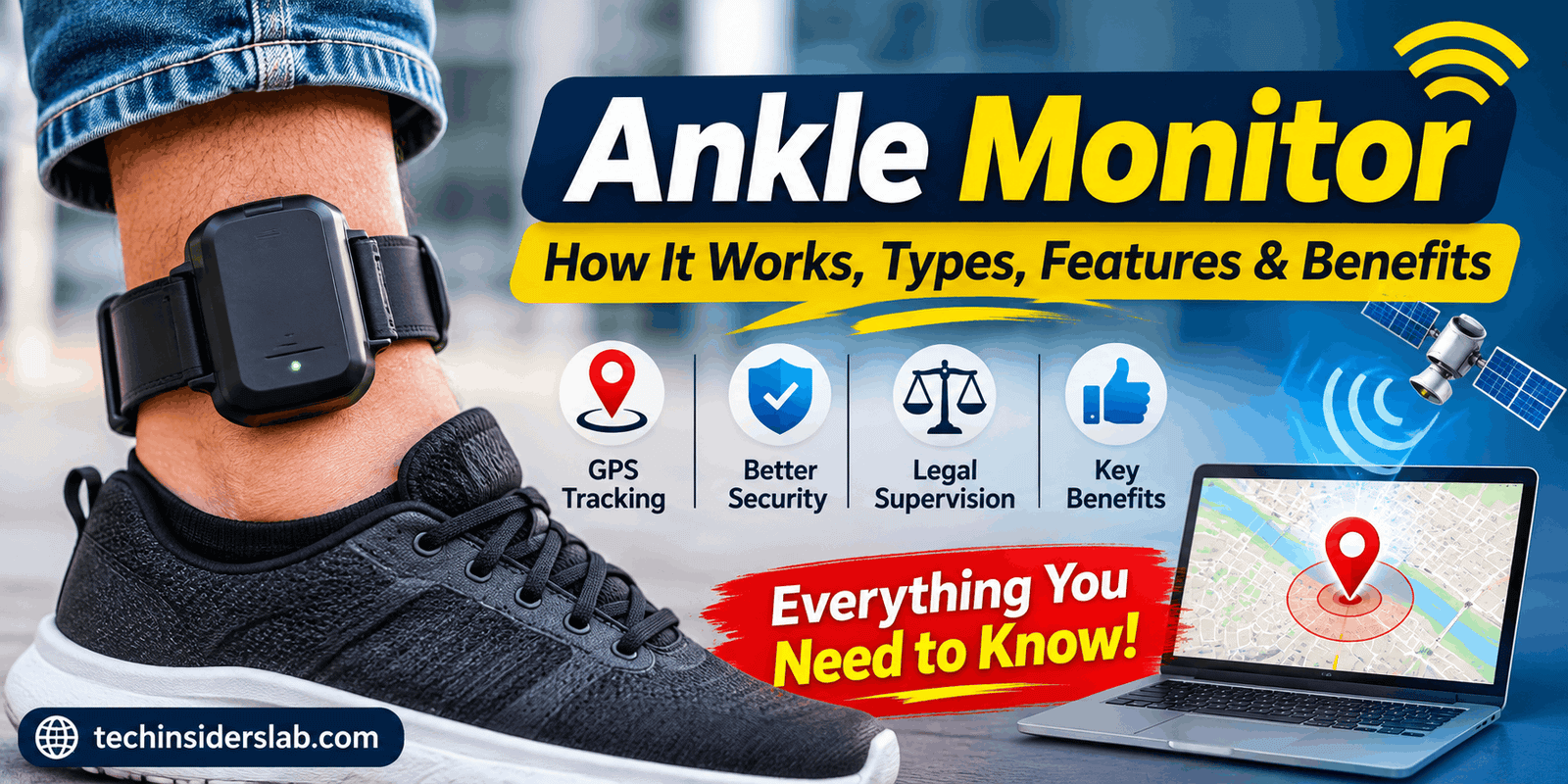
An ankle monitor is an electronic tracking device designed to monitor a person’s location, movement, and compliance with specific restrictions. It is commonly used by law enforcement agencies, courts, correctional departments, and monitoring organizations as an alternative to keeping someone in jail or prison. These devices are usually worn around the ankle and secured with a tamper-resistant strap.
Ankle monitors have become an important part of modern electronic monitoring systems. With GPS technology, wireless communication, and advanced tracking software, authorities can monitor individuals outside traditional correctional facilities. Depending on the device and monitoring program, an ankle monitor may track a person’s real-time location, detect unauthorized movement, or alert monitoring officials when someone violates assigned conditions.
Although ankle monitors are often associated with criminal justice systems, they also raise important questions about privacy, personal freedom, technology, and rehabilitation. Understanding how these devices work, their different types, and their advantages and limitations can help people make informed decisions about electronic monitoring.
This guide explores ankle monitors in detail, including their technology, features, uses, benefits, disadvantages, and future developments.
What Is an Ankle Monitor?
An ankle monitor is a wearable electronic device attached securely around a person’s ankle to track their location or monitor compliance with court-ordered restrictions. It is sometimes called an electronic monitoring bracelet, GPS ankle bracelet, or electronic tracking device.
The device typically contains electronic components such as GPS receivers, wireless communication modules, sensors, and a rechargeable battery. These components work together to collect information and transmit it to a monitoring system.
Ankle monitors are primarily used for individuals who are allowed to remain outside a detention facility under specific legal conditions. For example, a court may require someone to wear an ankle monitor while on house arrest, probation, parole, or pretrial release.
The exact monitoring capabilities depend on the device and the program. Some devices continuously report location information, while others use radio-frequency technology to confirm whether an individual remains within an approved area.
An ankle monitor is not necessarily the same as a general fitness tracker or smartwatch. Its primary purpose is legal supervision and compliance monitoring rather than measuring exercise, health, or daily activity.
How Does an Ankle Monitor Work?
An ankle monitor works by collecting information through built-in electronic components and sending relevant data to a monitoring platform. Authorized monitoring personnel can then review the information and respond to possible violations.
The working process generally involves several steps.
1. Device Installation
An authorized officer or monitoring professional attaches the device around the person’s ankle. The strap is secured to help prevent unauthorized removal. The device is usually registered with a specific monitoring account.
2. Location Tracking
GPS-enabled ankle monitors use signals from satellites to estimate the wearer’s geographical location. Depending on the model, they may also use cellular networks or other positioning technologies to improve location reporting.
3. Wireless Communication
The device sends collected information to a monitoring platform through an available communication network. Some systems report information frequently, while others transmit updates at scheduled intervals or when specific events occur.
4. Monitoring and Notifications
Monitoring software processes incoming information and checks it against assigned conditions. If a person enters a restricted location, leaves an approved area, or triggers a tamper alert, the system may notify authorized personnel.
5. Compliance Review
Monitoring officers can review alerts and determine whether further investigation is necessary. A technical alert does not automatically prove that a person has violated a court order.
This combination of tracking hardware and monitoring software allows authorities to supervise individuals without requiring continuous physical supervision.
Different Types of Ankle Monitors
Not all ankle monitors perform the same functions. Different models are designed for different supervision requirements.
1. GPS Ankle Monitors
GPS ankle monitors use Global Positioning System technology to determine the wearer’s location. They are commonly used when authorities need to monitor where an individual travels.
These devices can provide location information, record movement patterns, and identify entry into restricted geographical areas. Depending on the monitoring program, GPS information may be reported continuously or at selected intervals.
GPS monitoring is particularly useful for individuals who have travel restrictions or must avoid specific locations.
2. Radio Frequency (RF) Ankle Monitors
Radio-frequency ankle monitors are generally used for home confinement and location verification.
They typically work with a separate receiver installed at an approved residence. The system checks whether the ankle-worn device is within the receiver’s permitted range.
Unlike GPS monitors, basic RF systems do not provide continuous geographical tracking. Instead, they help confirm whether an individual is present at an approved location during required hours.
3. Alcohol Monitoring Ankle Bracelets
Some electronic monitoring devices are designed to detect alcohol consumption through transdermal alcohol monitoring.
These devices measure alcohol-related information through the skin and send readings to a monitoring system. They may be used in certain court-supervised programs involving alcohol-related offenses.
One important distinction is that alcohol monitoring devices are designed for substance-related monitoring rather than ordinary GPS tracking.
4. Hybrid Ankle Monitors
Hybrid devices combine multiple monitoring technologies. For example, a device may use GPS for outdoor location tracking and radio-frequency communication for home-based monitoring.
Some systems also include additional sensors or tamper-detection features. Combining technologies can provide monitoring organizations with more flexible supervision options.
Main Features of Modern Ankle Monitors
Modern electronic monitoring devices offer several features that help improve supervision and reporting.
GPS Location Tracking
GPS tracking is one of the most recognized features of modern ankle monitors. It allows authorized personnel to review geographical information and determine whether someone has entered or left designated areas.
Geofencing Technology
Geofencing creates virtual geographical boundaries around selected locations. These may include approved residences, workplaces, schools, or restricted areas.
When a GPS-enabled monitor detects that its wearer crosses a designated boundary, the monitoring platform may generate an alert.
Tamper Detection
Ankle monitors are designed with security features that can detect certain attempts to remove, damage, or interfere with the device.
Depending on the model, sensors may identify strap interference, unexpected disconnection, or other unusual conditions. These alerts help monitoring personnel investigate possible tampering.
Battery Monitoring
Most electronic monitoring devices operate using rechargeable batteries. Battery status information helps monitoring systems identify when a device needs charging.
Some models can generate notifications when battery levels become critically low.
Wireless Connectivity
Wireless communication allows ankle monitors to send information to monitoring platforms without requiring a direct physical connection to a computer.
Depending on the device, connectivity may rely on cellular networks or other communication methods.
Monitoring Software
The device itself is only one part of the monitoring system. Software platforms collect location reports, display alerts, maintain activity records, and help authorized personnel manage supervision requirements.
Who Uses Ankle Monitors and Why?
Ankle monitors are used in different legal and correctional situations. Their purpose is to supervise individuals while allowing them to remain outside traditional detention facilities.
Common situations include:
1. House Arrest
Courts may require individuals to wear ankle monitors while serving a period of home confinement. The device helps verify whether they remain at their approved residence during required hours.
2. Probation
People placed on probation may be required to wear electronic monitoring devices as part of their supervision conditions. This depends on the court’s decision and applicable laws.
3. Parole
Some individuals released from prison on parole must follow electronic monitoring requirements. GPS devices can help supervising officers check whether they comply with geographical restrictions.
4. Pretrial Release
In certain cases, courts allow defendants to remain outside jail while awaiting trial under specific conditions. An ankle monitor may be one of those conditions.
5. Immigration Monitoring
Some immigration supervision programs use electronic monitoring to help manage individuals who are permitted to remain in the community while their cases are processed.
6. Alcohol-Related Monitoring
Individuals convicted of certain alcohol-related offenses may be required to wear specialized monitoring bracelets that check for alcohol consumption.
The exact rules and eligibility requirements differ between countries, states, and legal systems.
United States Courts+3
Benefits of Using Ankle Monitors
Electronic monitoring provides several potential advantages for correctional organizations, courts, and individuals under supervision.
1. Alternative to Incarceration
One major benefit is that ankle monitors can provide an alternative to detention for eligible individuals. Instead of remaining in a correctional facility, some people can continue living at home while following supervision conditions.
2. Helps Maintain Family Connections
Individuals who qualify for community-based monitoring may remain connected with their families. This can help them maintain important relationships and responsibilities.
3. Supports Employment
Depending on court-approved conditions, monitored individuals may be allowed to continue working. Maintaining employment can help them support their families and prepare for life after supervision.
4. Location Awareness
GPS monitoring provides authorized personnel with location information. This can help them identify potential violations of geographical restrictions and respond when necessary.
5. Reduced Pressure on Correctional Facilities
Electronic monitoring may reduce the number of eligible individuals who need to remain in detention facilities. This can help correctional systems manage resources and focus on individuals who require secure custody.
6. Better Supervision Management
Monitoring software can organize location reports, alerts, and compliance records in one system. This makes it easier for authorized officers to review information and manage supervision cases.
Disadvantages and Limitations of Ankle Monitors
Although ankle monitors offer useful capabilities, they also have limitations that should be considered.
1. Privacy Concerns
GPS-enabled devices can collect sensitive location information. Continuous or frequent location reporting raises concerns about personal privacy, data storage, and who has access to monitoring records.
2. Physical Discomfort
Wearing a device around the ankle for an extended period may cause irritation, discomfort, or inconvenience. The experience depends on the device’s design, fit, and individual circumstances.
3. Battery Requirements
Many GPS ankle monitors require regular charging. If the battery becomes depleted, location reporting may be interrupted and the monitoring system may generate an alert.
4. Technical Problems
GPS signals and wireless communication can sometimes become unreliable. Buildings, environmental conditions, poor cellular coverage, and hardware problems may affect the quality or availability of location information.
5. Social Stigma
Some individuals experience embarrassment or negative reactions because ankle monitors are publicly visible. This can affect confidence and social interactions.
6. Financial Costs
Electronic monitoring programs may involve equipment, installation, maintenance, and monitoring expenses. In some jurisdictions, individuals may also be required to pay certain fees.
7. False or Unclear Alerts
A monitoring alert does not always indicate intentional misconduct. Technical issues, communication interruptions, and location inaccuracies may require further investigation before authorities determine whether a violation occurred.
The U.S. federal courts also identify practical limitations such as charging requirements and possible service problems in remote locations.
How Much Does an Ankle Monitor Cost?
The cost of an ankle monitor depends on the device, monitoring technology, service provider, and legal supervision program.
There is no universal price because different monitoring systems provide different features and services.
Common cost factors include:
- Device cost: The price of the electronic monitoring hardware.
- Installation fee: Charges for fitting and registering the device.
- Monitoring fee: Costs associated with tracking and supervision services.
- Maintenance expenses: Repairs, replacement parts, and technical support.
- Communication costs: Expenses associated with cellular connectivity and data transmission.
- Removal fee: Some programs may charge for professional device removal.
In certain legal programs, government agencies cover monitoring expenses. In others, individuals may be responsible for some or all of the costs.
Anyone required to wear an ankle monitor should confirm the applicable fees directly with the supervising agency or authorized service provider.
Is an Ankle Monitor Waterproof?
Many modern ankle monitors are designed to withstand normal daily activities and some exposure to water. However, waterproofing capabilities vary by model.
Some devices can tolerate rain, splashes, or showering, while others have more specific restrictions.
Users should never assume that every ankle monitor is suitable for swimming, bathing, or water sports. Following the manufacturer’s instructions and supervision requirements is important to prevent damage or accidental alerts.
Can Ankle Monitors Track Someone 24/7?
Some GPS-enabled ankle monitors support continuous or frequent location monitoring. They can collect location information throughout the day and transmit it according to the device’s reporting schedule.
However, not every ankle monitor provides continuous GPS tracking.
For example, basic radio-frequency devices generally verify whether a person is within the range of a receiver installed at an approved residence. They do not provide the same geographical tracking capabilities as GPS devices.
The monitoring frequency and reporting method depend on the equipment and supervision program.
Ankle Monitor vs. GPS Tracker: What Is the Difference?
Although ankle monitors and ordinary GPS trackers use similar location technologies, they serve different purposes.
| Feature | Ankle Monitor | Regular GPS Tracker |
| Primary purpose | Legal supervision | General location tracking |
| Wearing method | Secured around ankle | Portable or wearable |
| Tamper detection | Common in legal devices | Depends on model |
| Monitoring | Court or agency controlled | User or owner controlled |
| Geofencing | Available on many models | Available on many models |
| Main users | Supervised individuals | Individuals and businesses |
An ankle monitor is generally designed for supervised legal use, while regular GPS trackers are commonly used for vehicles, personal belongings, pets, and other tracking applications.
What Happens If an Ankle Monitor Stops Working?
If an ankle monitor stops functioning, it may interrupt location reporting or other monitoring services.
Several issues can cause problems:
- Battery depletion.
- Hardware malfunction.
- Cellular network interruptions.
- GPS signal difficulties.
- Damaged charging equipment.
- Problems with the monitoring platform.
Depending on the system, monitoring personnel may receive a technical alert when communication stops or the device detects a problem.
Individuals wearing these devices should follow their supervision instructions and contact the responsible monitoring agency if they experience technical difficulties. They should not attempt to repair or remove the equipment themselves.
Are Ankle Monitors Safe to Wear?
Ankle monitors are designed to be worn on the body for extended periods. Their materials, straps, and electronic components are generally selected for regular use.
However, wearing an electronic device continuously can sometimes cause skin irritation, pressure marks, or discomfort.
Proper fitting and regular attention to skin condition are important. If someone experiences swelling, pain, or a skin reaction, they should contact their monitoring provider or healthcare professional.
GPS and cellular components also use radiofrequency communication. The specific safety requirements and certifications depend on the device and the country where it is used.
The Future of Ankle Monitoring Technology
Electronic monitoring technology continues to develop as manufacturers introduce improved tracking hardware, communication systems, and software platforms.
Several developments may influence the future of ankle monitors.
Advanced GPS Accuracy: Newer positioning technologies may improve location reporting and reduce uncertainty in areas where traditional GPS signals are difficult to receive.
Improved Battery Performance: Better battery technology could reduce charging interruptions and make devices more convenient for everyday use.
Artificial Intelligence: AI-powered software may help monitoring organizations organize large amounts of information, identify unusual patterns, and prioritize alerts. Human review will remain important when interpreting potential violations.
Better Data Security: As monitoring systems collect sensitive personal information, stronger encryption, access controls, and data protection policies will become increasingly important.
Smaller and More Comfortable Designs: Future devices may focus on lighter materials, improved straps, and more comfortable designs while maintaining necessary security features.
Integrated Monitoring Systems: Combining GPS, radio frequency, and other monitoring technologies may provide more flexible supervision options.
The National Institute of Justice emphasizes that an offender tracking system involves more than the wearable bracelet itself. It also includes communication networks, monitoring centers, and information management systems.
Conclusion
Ankle monitors are an important example of how modern technology is changing electronic supervision and correctional systems. By combining GPS tracking, radio-frequency communication, tamper detection, and monitoring software, these devices allow authorized agencies to supervise individuals outside traditional detention facilities.
Different types of ankle monitors serve different purposes. GPS devices track geographical movement, radio-frequency systems verify presence at approved locations, and specialized alcohol monitoring bracelets detect alcohol consumption through perspiration.
Despite their advantages, ankle monitors also present challenges involving privacy, battery life, technical reliability, physical comfort, and financial costs. Their effectiveness depends on the quality of the equipment, proper supervision, and clear legal requirements.
As wearable technology continues to improve, ankle monitoring systems may become more accurate, efficient, and comfortable. Understanding how they work helps individuals better recognize their role in modern technology and electronic monitoring.