introduction
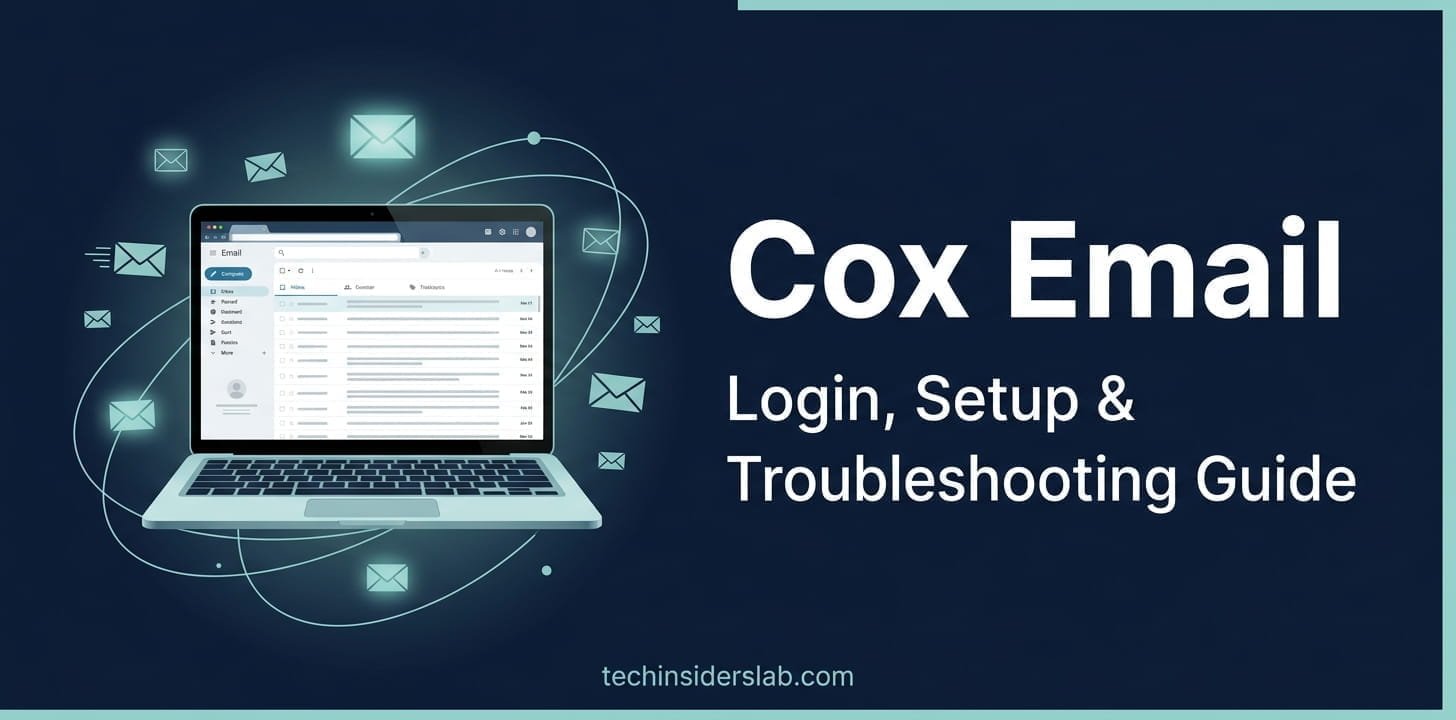
Cox Email is a useful topic for your Apps category because it focuses on email access, account management, and communication tools. For your website, the strongest approach is to explain how the service works, how users access their inbox, and what to do when login or email settings cause problems.
One important detail makes this topic different from a typical email-service guide: Cox has been transitioning its cox.net email service and support to Yahoo Mail. That means older instructions may not match what current users see. A helpful article should explain this transition clearly rather than treating every Cox email account as if it still uses the same system.
What Is Cox Email?
Cox Email is an email service associated with Cox Communications, a telecommunications provider. It has traditionally given eligible Cox customers an email address ending in @cox.net, allowing them to send messages, receive mail, and manage their inbox through webmail or an email application.
For many users, Cox Email is more than just an inbox. It may be connected to important accounts, subscriptions, school communication, work contacts, and personal records. Losing access can therefore be frustrating, especially when an old email address is used for password recovery elsewhere.
Cox’s official support resources now explain that its cox.net email service is transitioning to Yahoo Mail. Users should follow the current transition and access instructions rather than relying on outdated webmail guides.
Cox Email Login: How to Access Your Account
The first step is to use the official Cox website and sign in with your Cox account credentials. Cox’s support pages provide a dedicated option for signing in to Cox email and also include help for account login problems.
Basic login process
- Open the official Cox website.
- Select the sign-in option.
- Enter your Cox User ID and password.
- Follow the available email access instructions.
- If your account has moved to Yahoo Mail, use the current Yahoo Mail access process provided by Cox.
The exact screen may vary depending on whether your account has completed the transition. This is why users should avoid assuming that an older Cox webmail address or login method will always work.
What if you forget your password?
Cox provides account recovery and password-reset support through its official website. If you cannot sign in, use the Forgot User ID/Password option and follow the recovery instructions. Cox also recommends updating the password on devices and applications that use the account after a password change.
A good security practice is to use a strong, unique password and avoid reusing an old password. Never share your password with someone claiming to offer email support.
Cox Email and the Yahoo Mail Transition
The transition to Yahoo Mail is one of the most important things users should understand before following an old Cox Email tutorial.
Cox’s official support page identifies the transition as a change affecting cox.net email service and support. This means that older articles about Cox webmail may no longer reflect the current experience.
Why this matters
A user may search for “Cox Email login” and find instructions that mention an older webmail platform. Those instructions can create confusion if the account has already moved to Yahoo Mail.
The best way to avoid problems is to:
- Check Cox’s current email-transition instructions.
- Use the official Cox or Yahoo access process relevant to your account.
- Avoid entering credentials on unfamiliar websites.
- Follow the latest instructions before changing email settings.
For website content, this is an important distinction: Cox Email is the keyword users search for, but the current access experience may involve Yahoo Mail.
Cox Email Features and Everyday Uses
Email services are useful because they combine communication, organization, and account access in one place. Cox Email has traditionally supported everyday email tasks, including sending and receiving messages, managing contacts, and accessing mail through webmail or supported email applications.
1. Sending and receiving messages
The main purpose of an email service is to communicate. Users can send messages to friends, family, businesses, and other contacts. They can also receive notifications, documents, and important account messages.
2. Managing contacts
Email contacts help users keep track of frequently used addresses. This is especially useful for people who communicate regularly with the same customers, relatives, or organizations.
3. Accessing email from different devices
Cox has historically supported access through webmail and third-party email applications. However, the correct setup depends on the current service arrangement and whether the account has transitioned to Yahoo Mail.
4. Managing important messages
An organized inbox makes it easier to find receipts, confirmations, school messages, and other important information. Users should regularly review their inbox and remove unnecessary messages.
Cox Email on Mobile and Desktop
Many people prefer using an email application instead of opening a browser every time they want to check messages. This can be convenient, but it is important to use the correct settings for the current email provider.
Cox’s official support resources include email help articles for account access and email applications. Its business support pages also provide email setup guidance, showing that email configuration can vary depending on the service and platform.
Before setting up an email app
Check the following:
- Whether your Cox email account has transitioned to Yahoo Mail.
- Whether the application supports the current authentication method.
- Whether the incoming and outgoing server settings are correct.
- Whether your password is current.
- Whether the account requires additional verification.
Do not copy old Cox server settings into a new account without checking the current official instructions. Older guides may contain settings that are no longer appropriate for transitioned accounts.
Common Cox Email Login Problems
Login issues are among the most common reasons people search for Cox Email help. The problem may be related to a forgotten password, an incorrect User ID, browser issues, or changes to the email service.
Forgotten User ID or password
If you cannot remember your login details, use the official account recovery process. Cox provides a dedicated troubleshooting guide for sign-in problems and explains how to recover access.
Browser problems
Sometimes a browser may display an error because of cached data or an outdated session. A basic troubleshooting step is to close the browser, reopen it, and try signing in again.
If the issue continues, use Cox’s official support resources rather than repeatedly entering your password on unfamiliar pages.
Email transition confusion
If your old Cox email login no longer works, the account may be affected by the transition to Yahoo Mail. Check the official Cox email-transition instructions before assuming that your account has been deleted.
Account security issues
Cox has previously published guidance about accounts affected by security-related password resets. Its support instructions explain that users may need to reset their password and update it on devices and applications that access Cox services.
How to Keep Your Cox Email Account Secure
Email accounts often contain personal conversations, account notifications, and sensitive information. Good security habits can help reduce the risk of unauthorized access.
Use a strong password
Choose a password that is difficult to guess and do not reuse it across multiple services.
Avoid suspicious links
Be careful with messages asking you to verify your account, reset your password, or provide personal information. If a message looks suspicious, open the official Cox website directly instead of clicking the link.
Keep your recovery information updated
Make sure your account recovery details are accurate. This can make it easier to regain access if you forget your password.
Review connected devices
If you use Cox email on multiple devices, check that each device is using the correct account and current settings. Cox’s support guidance recommends updating email access details after a password change.
Cox Email vs. Other Email Services
Cox Email is different from a general-purpose email service because it has historically been associated with Cox customer accounts. Services such as Gmail and Outlook.com are widely used as standalone email platforms, while Cox Email has traditionally been connected to Cox services.
The Yahoo Mail transition also means that users should distinguish between the Cox email address and the current platform used to access that email. This is an important point for anyone writing tutorials, troubleshooting guides, or account-access instructions.
For users who depend on an old @cox.net address, the main priority is understanding the current access process and keeping the account secure.
Is Cox Email Still Useful?
Cox Email can still be relevant for users who have an existing Cox email address and need to access their messages. Its usefulness depends on the account’s current status and the available access options.
For someone who already uses a Cox email address, the service may remain important because changing an email address can require updating many accounts and contacts. For someone choosing a new email service, the decision should be based on current availability, account needs, and the provider’s latest policies.
The most useful advice is to check the current Cox email instructions before making changes. This helps users avoid outdated setup steps and reduces the chance of losing access to important messages.
Tips for a Better Cox Email Experience
A few simple habits can make email management easier:
- Check your inbox regularly so important messages do not get buried.
- Use folders or labels to organize messages by topic.
- Delete unnecessary emails to keep your inbox manageable.
- Save important documents in a separate location when appropriate.
- Review account security settings from the official website.
- Follow current transition instructions instead of relying on old tutorials.
These habits are useful for almost any email service, but they are especially important when an account is connected to a long-standing email address.
Conclusion
Cox Email remains an important search topic for users who need help accessing an existing Cox email account. The most useful information is not just how to log in, but also how to understand the transition to Yahoo Mail, recover account access, and avoid outdated setup instructions.
For techinsiderslab.com, this topic fits naturally under Apps → Email & Communication. A well-written Cox Email guide can help readers find the right login process, understand common problems, and manage their email account more confidently.
The key takeaway is simple: use official Cox instructions, check the current email-transition status, and keep your account credentials secure.